 info@worldgreeneconomy.org




WGEO at COP30
 10th-21st November 2025
  Belém, Brazil
Tuesday, 18 November 2025
Blue Economy, Youth Entrepreneurship and Coastal Resilience
Financing and Scaling Innovative Renewable Energy Solutions for Refugees and Rural and Host Communities in Africa: Turning Challenges into Action

Panel Members
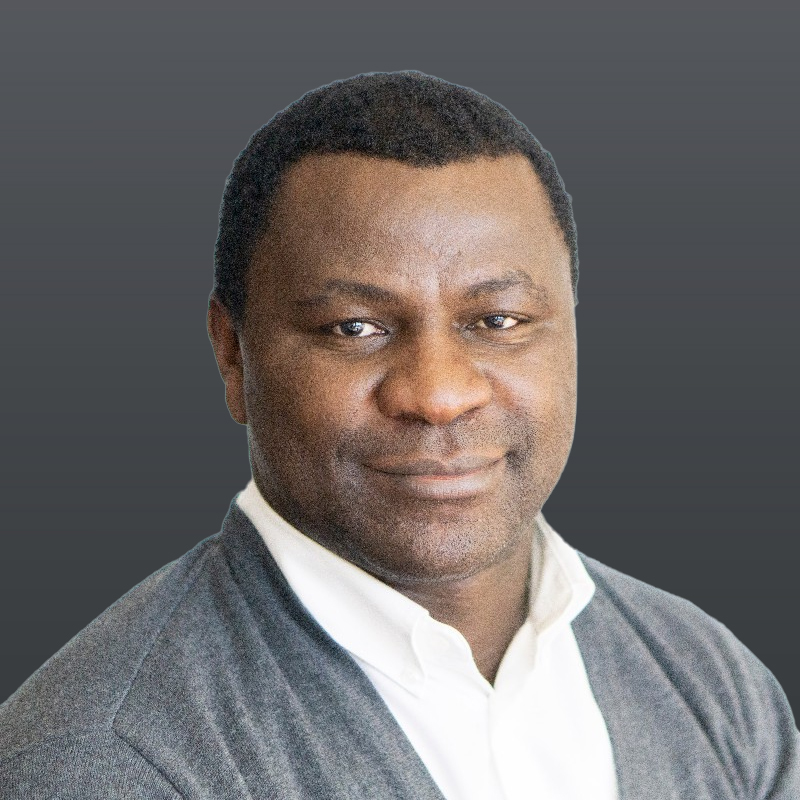
Dr Ambe Emmanuel Cheo
Associate Academic Officer, Pan African Cooperation and Education Technology Division, United Nations University - Vice Rectorate in Europe
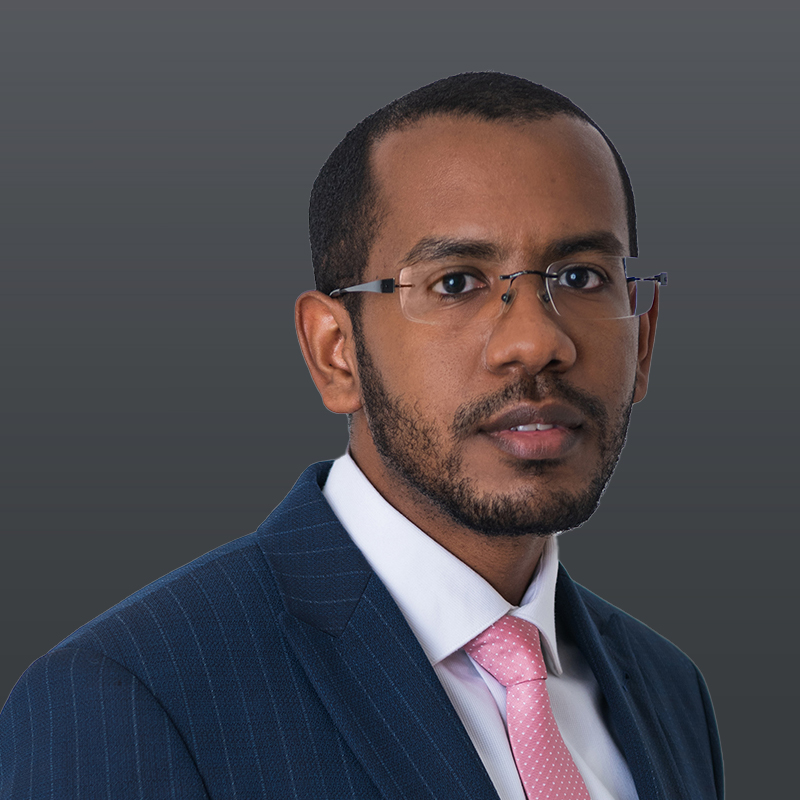
Mohamed Alhaj
Founder & Managing Director of Terra Energy, Uganda
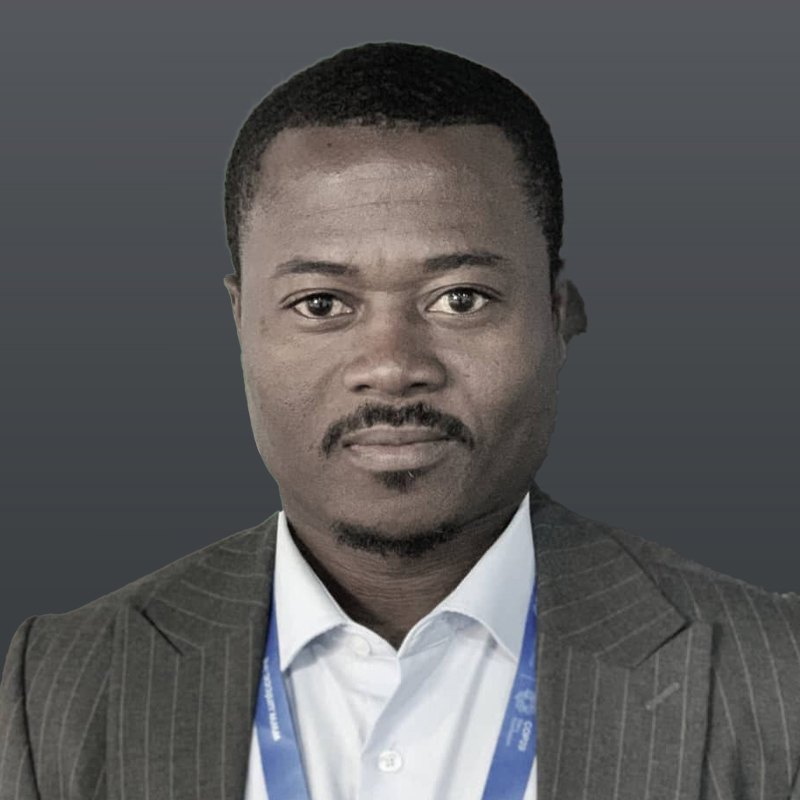
Kossi A. ADZONYO
Executive Director, Réseau Climat & Développement (RC&D)
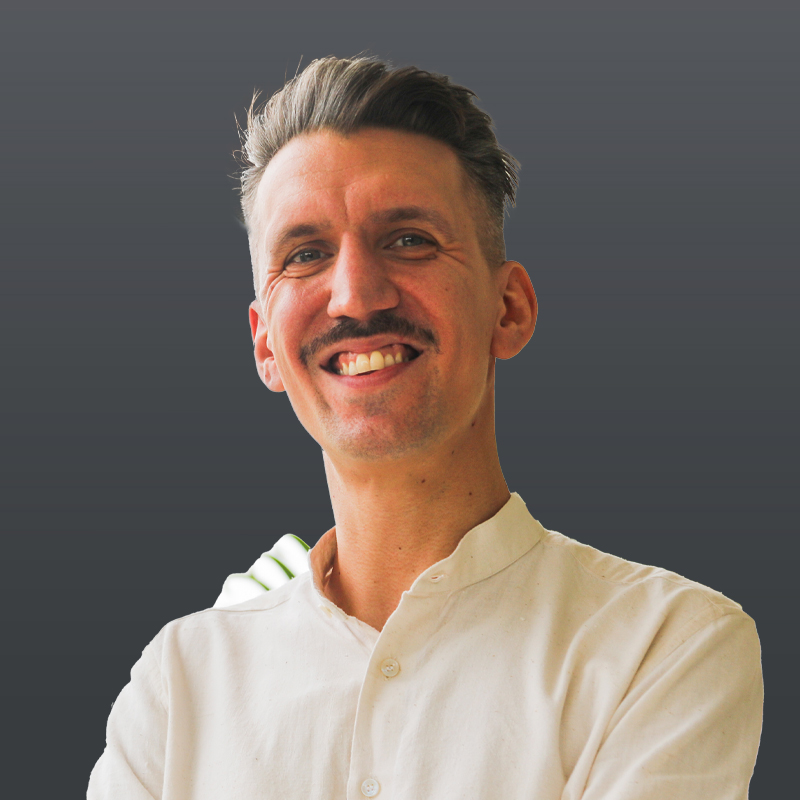
Michael Newhouse
Senior Project Lead, Practical Action, Rwanda
Moderator
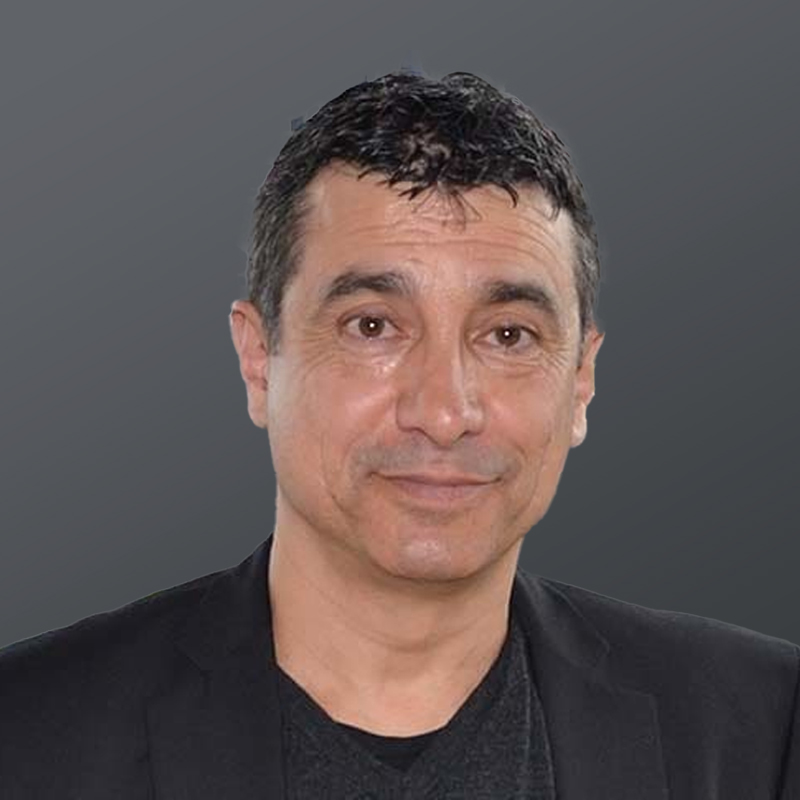
Stéphane Pouffary
Founder and Chief Executive Officer, ENERGIES 2050
Background
In the current global context marked by increasing inequalities and environmental crises, COP30 symbolises a turning point for collective action towards a fair and sustainable future. Across Africa, millions of people, especially refugees and those living in remote rural areas, remain excluded from reliable, affordable, and clean energy. More than 95% of displaced populations still depend on costly and polluting fuels, aggravating social, environmental, and economic vulnerabilities. Bridging this energy gap is essential to achieving SDG7 and ensuring social stability, resilience, and local economic growth.
The SUNNY Project (SUstaiNable eNergy sYstems for refugee and host communities in Africa), launched in June 2024 under Horizon Europe, brings together 17 African and European partners to develop and deploy five renewable energy technologies (solar home systems, hydrogen cooking, biogas, cold storage, and smart irrigation) at TRL 7-8 in Uganda and Rwanda. By building local value chains, promoting circular economy approaches, and empowering women and youth, SUNNY offers a transformative model linking humanitarian response, sustainable development, and climate resilience. The project also examines innovative financing mechanisms based on users’ ability to pay, underlining the need for coherent policy and regulatory frameworks at both national and international levels.
This session co-organised by ENERGIES 2050, representing the SUNNY consortium, together with key African partners RC&D, Practical Action, and Terra Energy, will explore how to scale and finance innovation for renewable energy in vulnerable contexts through multi-stakeholder collaboration. The dialogue will connect the WEFE nexus (Water–Energy-Food-Ecosystems) to energy access, highlighting how integrated approaches can foster resilience, reduce inequality, and strengthen local economies.
The discussion will also examine the role of policy alignment, innovation ecosystems, and cross-regional cooperation in accelerating energy transitions that are both inclusive and climate-just. It will draw lessons from SUNNY and similar initiatives to propose pathways for replicating these models across Africa and the Global South.
In Focus
Participants will discuss:
- Financing innovation: de-risking early-stage technologies and unlocking blended investments.
- Technology transfer: facilitating knowledge exchange and capacity building between African and European actors.
- Policy and regulatory frameworks: designing enabling environments that accelerate offgrid renewable energy deployment and inclusive business models.
- Scaling mechanisms: linking project-level outcomes like SUNNY to national and regional frameworks, including the African Union’s climate initiatives and global finance mechanisms.
This event contributes to COP30’s Agenda of Action and to the United Action for Green Transition led by WGEO by showcasing practical, scalable pathways towards SDG7 and climate resilience in Africa. By situating energy innovation within the broader principles of climate justice, resilience, and a just transition, the session aims to illustrate how coordinated policy, investment, and innovation can transform structural vulnerabilities into concrete opportunities for sustainable development.
Expected Outcomes
- Highlight SUNNY and partner innovations as models for inclusive renewable energy transitions in fragile contexts.
- Identify barriers and opportunities in financing and policy to scale innovation for SDG7.
- Propose policy recommendations and financing mechanisms for the replication of clean energy solutions.
- Engage institutions and financiers to join the SUNNY Replication Board to accelerate market access and local ownership.
Advancing the Global Green Economy Agenda: From WGES 2025 Milestones to WGES 2026 Implementation
Panel Members
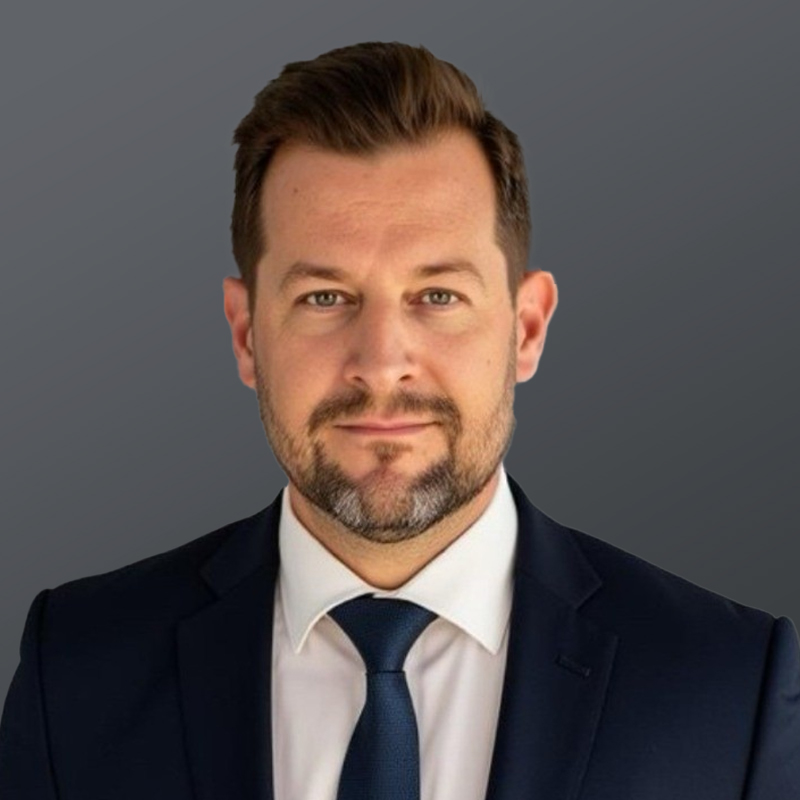
Mr. Jerome Auchere
Senior Director, WGEO

Dr. Alanoud Alhaj
Assistant Undersecretary for the Green Development and Climate Change Sector, Ministry of Climate Change and Environment (MOCCAE), UAE
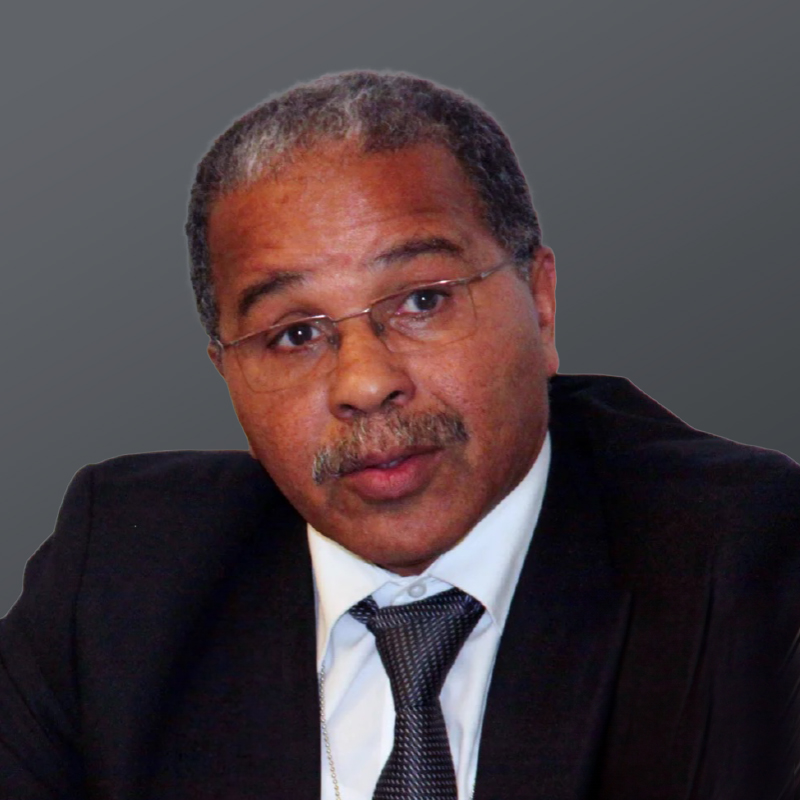
Mr. Mohamed NBOU
Climate Advisor at the General Secretariat of UCLG-Africa
Circular Solutions: Waste Management and Recycling for a Climate-Positive Future
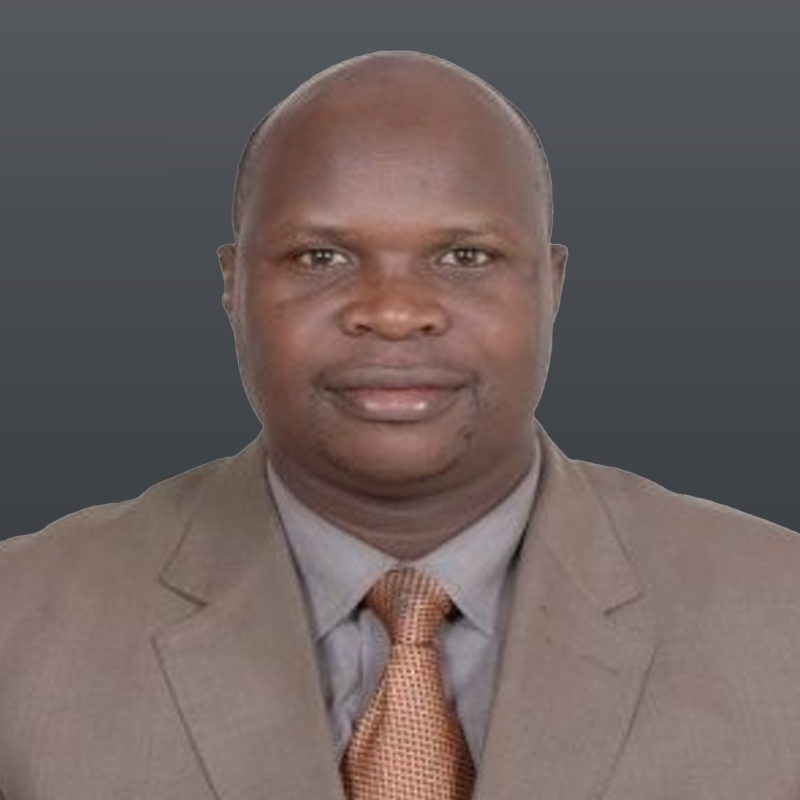
Dr. Vincent Onguso Oeba, PhD.
Principal Research Scientist & National Programme Coordinator, Climate Change Research Programme, Kenya Environment and Forestry Research Institute
Headquarters
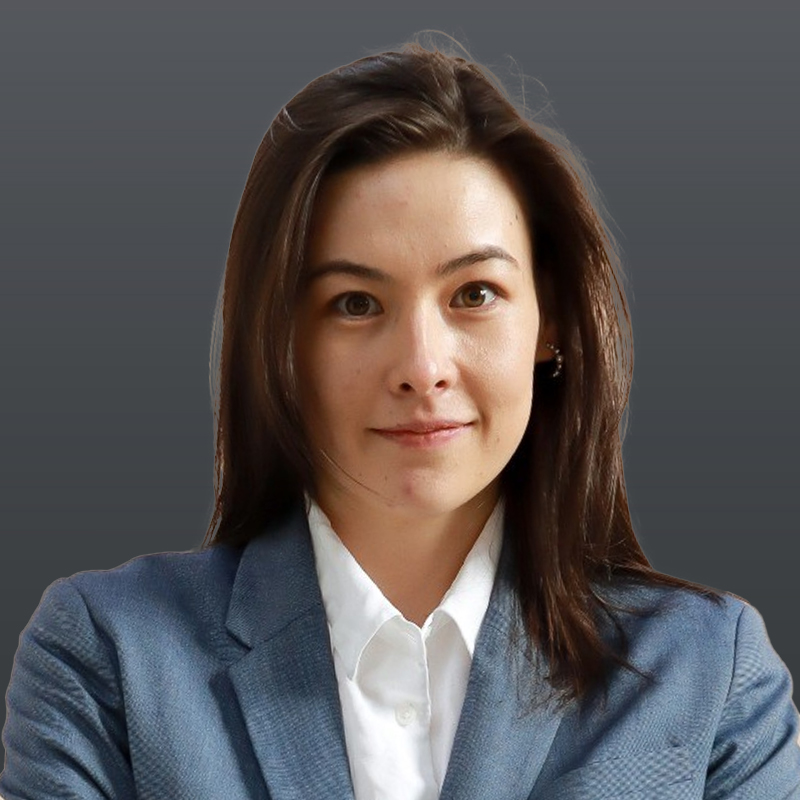
Ms. Delger Amarjargal
CEO, National Environmental Youth Council, Mongolia
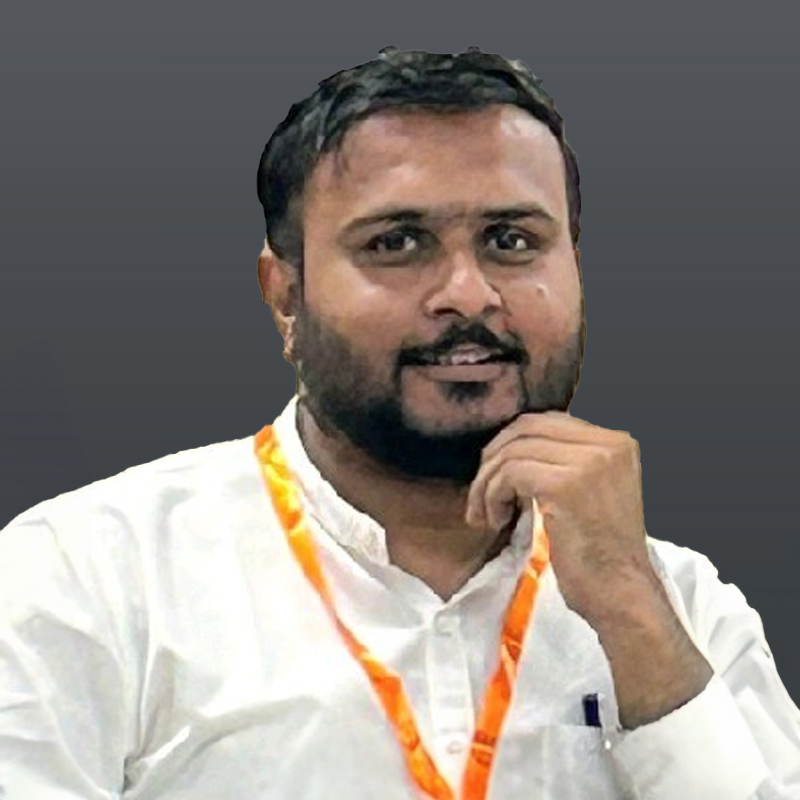
Mr. Rahul Gaur
Incharge Students for development India
Moderator
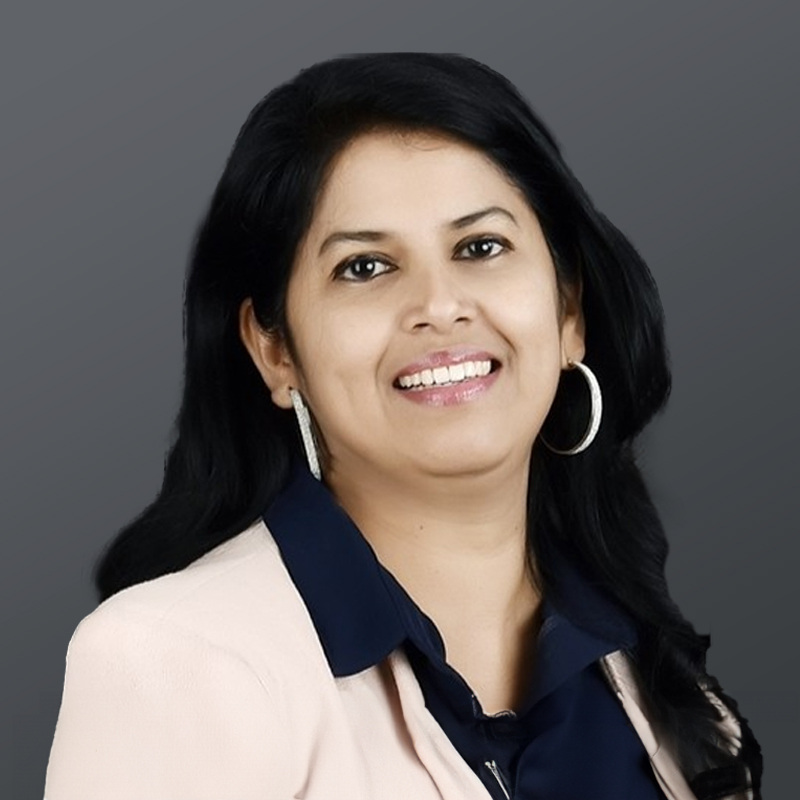
Ms. Bineesha Payattati
Advisor, MRAI (Material Recycling Association of India)
Blue Carbon Ecosystem Restoration: Mangrove and Seagrass Conservation Financing
Panel Members

Dr Pradeep Philip
Partner at Deloitte Access Economics, Deloitte
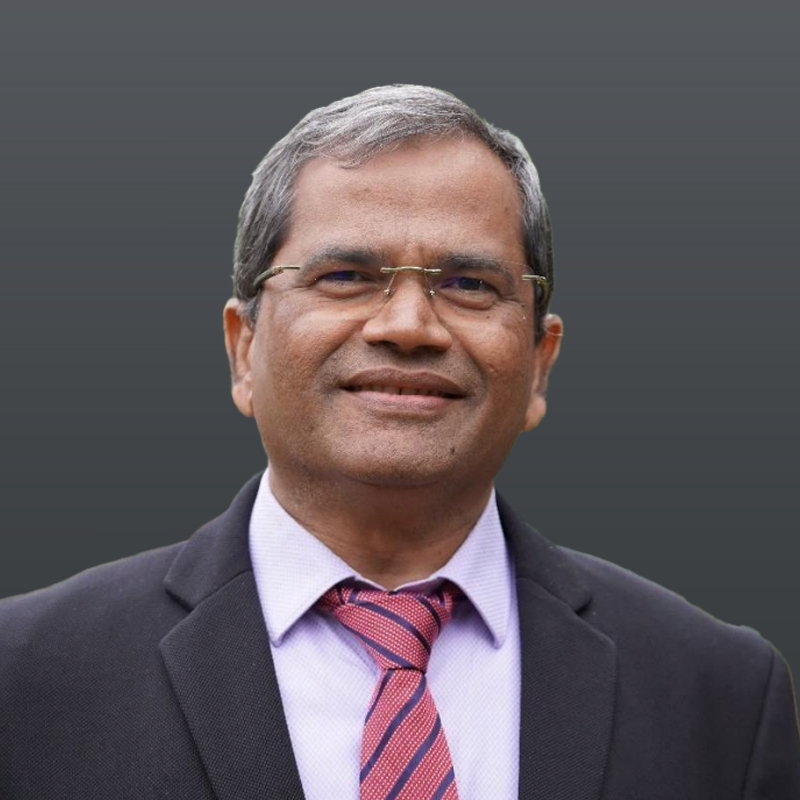
Suresh Yadav
Director Climate Change and Oceans Directorate, The Commonwealth Secretariat
Moderator

TBC
WGEO
Loss and Damage Finance: Innovative Funding Mechanisms for Climate Impacts
Panel Members

Shubhi Goyal
Climate Finance Researcher/Associate, Massachusetts Institute of Technology (MIT)/Huairou Commissin
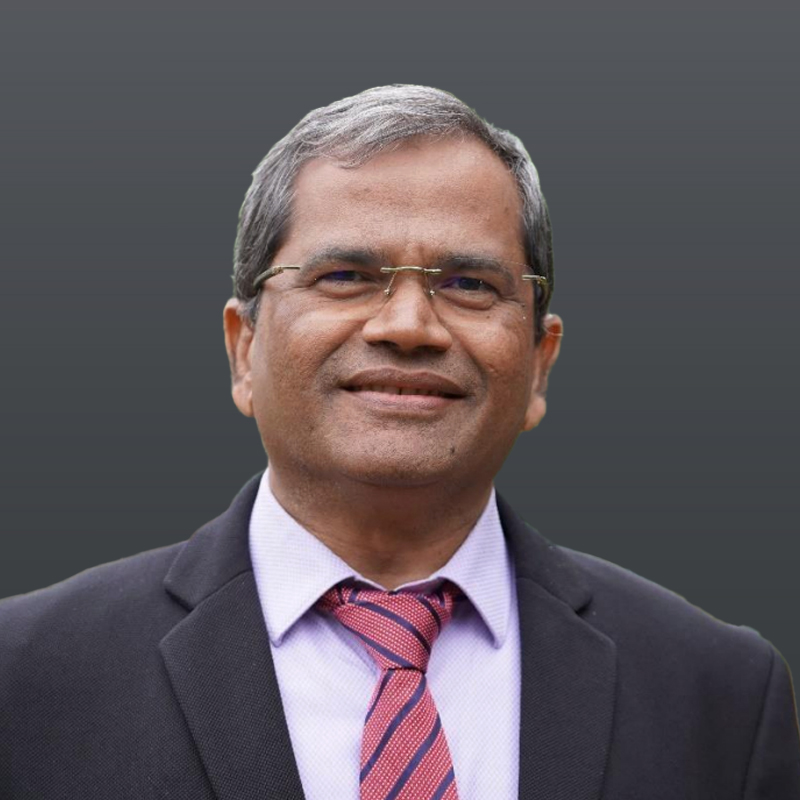
Suresh Yadav
Director Climate Change and Oceans Directorate, The Commonwealth Secretariat
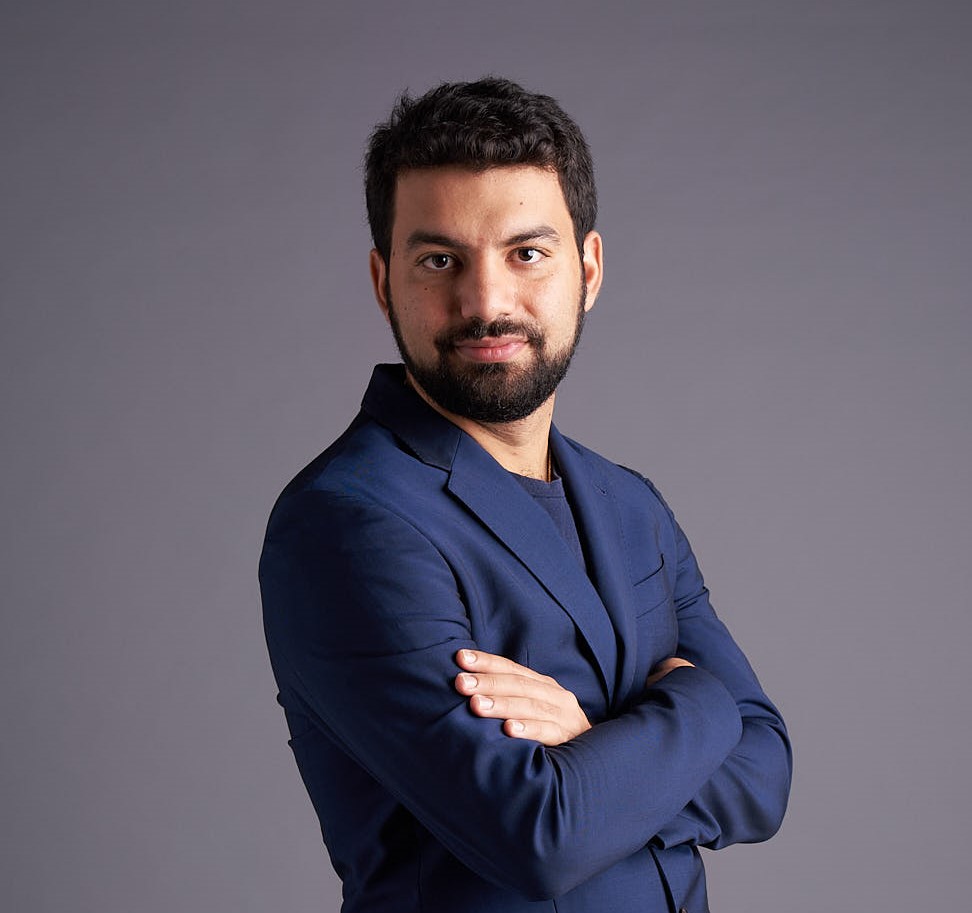
Kevin Chalhoub
Founder of EV Lab and head of brand at Chalhoub Group
Moderator
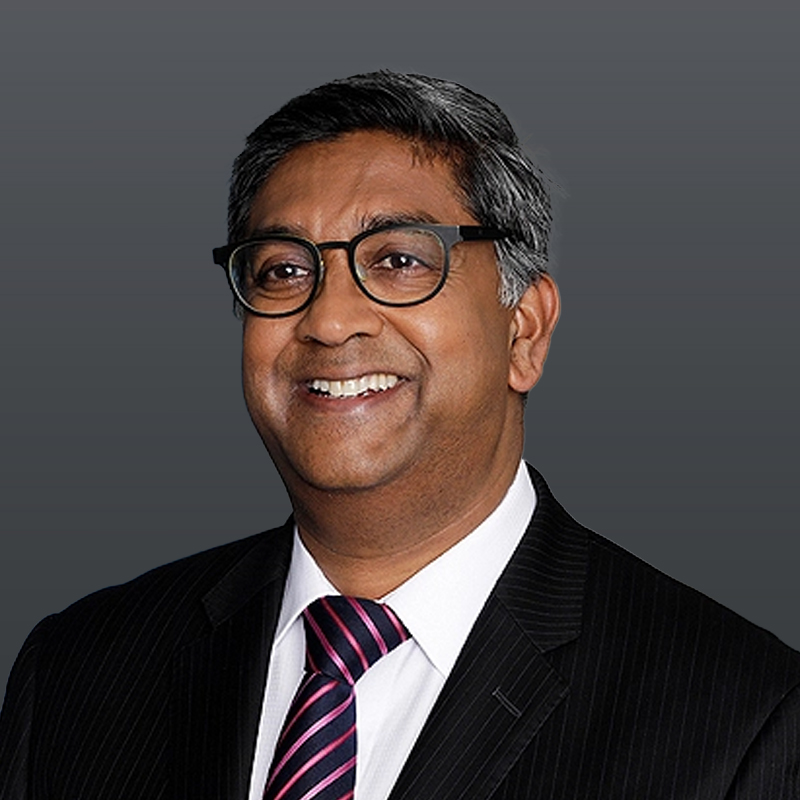
Dr Pradeep Philip
Partner at Deloitte Access Economics, Deloitte
Background
The accelerating frequency and severity of climate-induced disasters, from extreme flooding to prolonged droughts and rising sea levels, are inflicting devastating losses and damages, particularly in vulnerable developing countries. Traditional adaptation and mitigation finance, while essential, cannot address the irreversible impacts communities are already experiencing. The establishment of the Loss and Damage Fund at COP27 represented a critical milestone in international climate negotiations, but challenges remain regarding its capitalization, operationalization, and equitable distribution. Innovative funding mechanisms are therefore essential to close the growing finance gap.
Innovative solutions such as climate risk pooling, debt-for-climate swaps, taxation of fossil fuel windfall profits, and solidarity levies on sectors such as aviation and shipping are increasingly discussed as practical pathways to finance loss and damage. These mechanisms aim to provide predictable, scalable, and fair flows of resources to frontline communities, ensuring that those least responsible for emissions are not left to shoulder the heaviest burdens of climate change. WGEO, through its convening role and promotion of green economy pathways, seeks to advance dialogue on mobilizing these resources, aligning them with broader green transition financing frameworks, and facilitating participation by both developed and developing economies through initiatives like GAGE.
In Focus
This session will explore innovative approaches to structuring and delivering finance for loss and damage in a way that ensures fairness, efficiency, and accountability. Discussions will focus on linking innovative finance mechanisms to national priorities, integrating them with existing global funds, and ensuring transparent governance structures. Panelists will also analyze how such mechanisms can complement adaptation and resilience financing while catalyzing trust and solidarity between developed and developing countries.
Questions for Panel Discussion
1. What innovative funding mechanisms can effectively scale loss and damage finance?
- How can instruments such as solidarity levies, debt swaps, or climate risk pools be structured to deliver predictable finance?
- What role could private sector contributions, such as insurance-linked securities or corporate levies, play in filling the funding gap?
- How can fossil fuel windfall taxes or international transport levies be aligned with fairness and equity principles?
2. How can governance and delivery systems ensure equity, transparency, and accountability?
- What models of governance can guarantee that resources reach the most vulnerable communities in a timely manner?
- How can affected countries and communities be meaningfully represented in decisionmaking on fund allocation?
- What mechanisms can prevent duplication with existing climate finance channels while ensuring complementarity?
3. How can loss and damage finance be integrated into broader climate and development strategies?
- How can innovative funding mechanisms be linked with adaptation, resilience-building, and sustainable development priorities?
- What opportunities exist to align loss and damage finance with Paris Agreement commitments and SDG targets?
How can WGEO and GAGE support countries, especially in the Global South, to access and leverage these mechanisms effectively?
Register for this sessionBridging the Mediterranean and the Gulf for a Green and Just Transition: Regional Cooperation for Scalable Climate Solutions
Panel Members
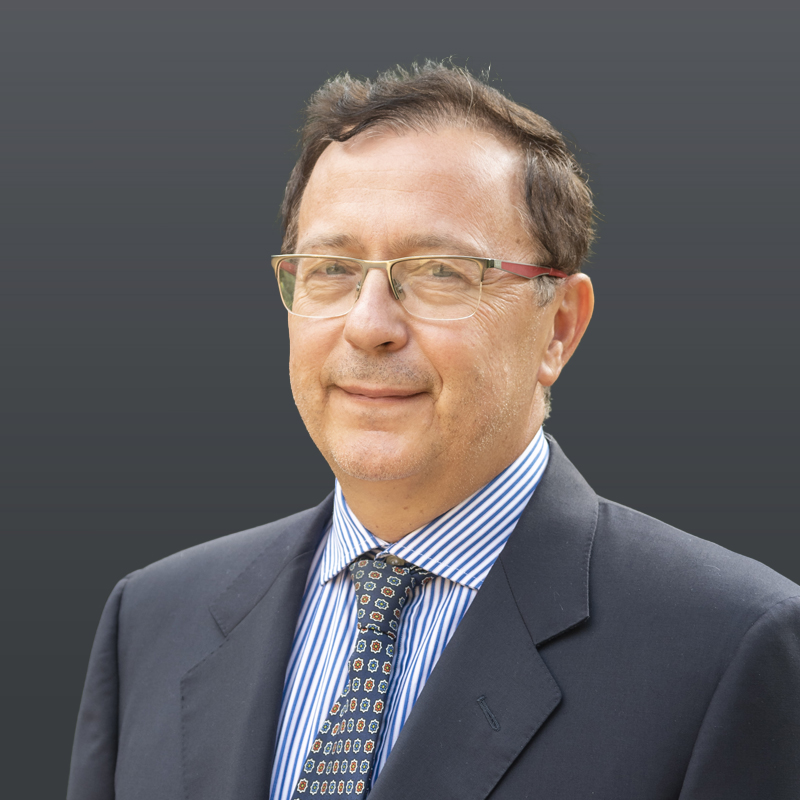
Amb. Grammenos Mastrojeni
Senior Deputy Secretary General, Union for the Mediterranean (UfM)
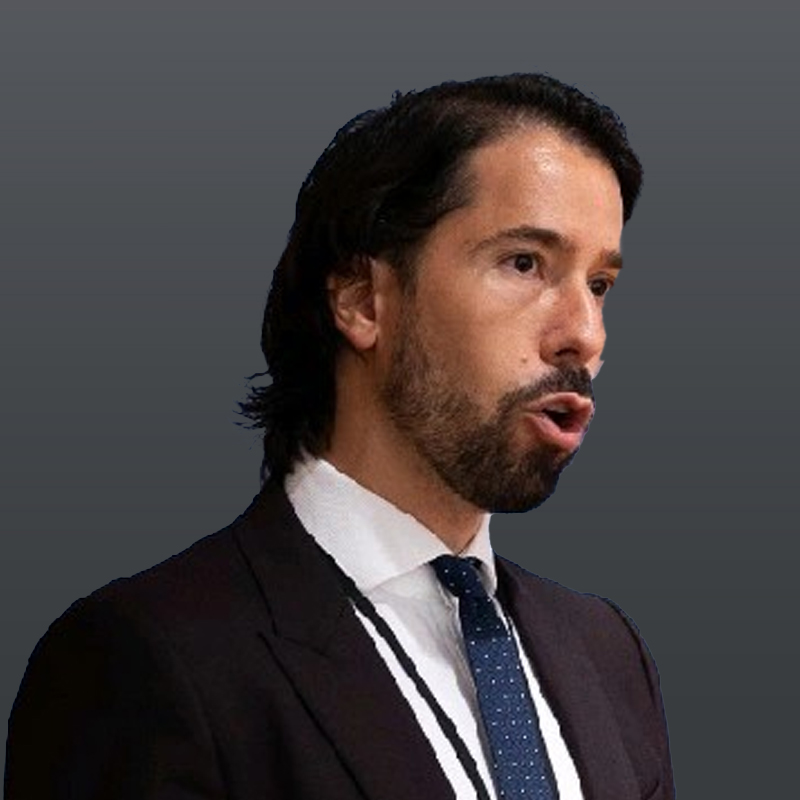
Andrea Milan
Senior Programme Manager, Climate Mobility Global Center
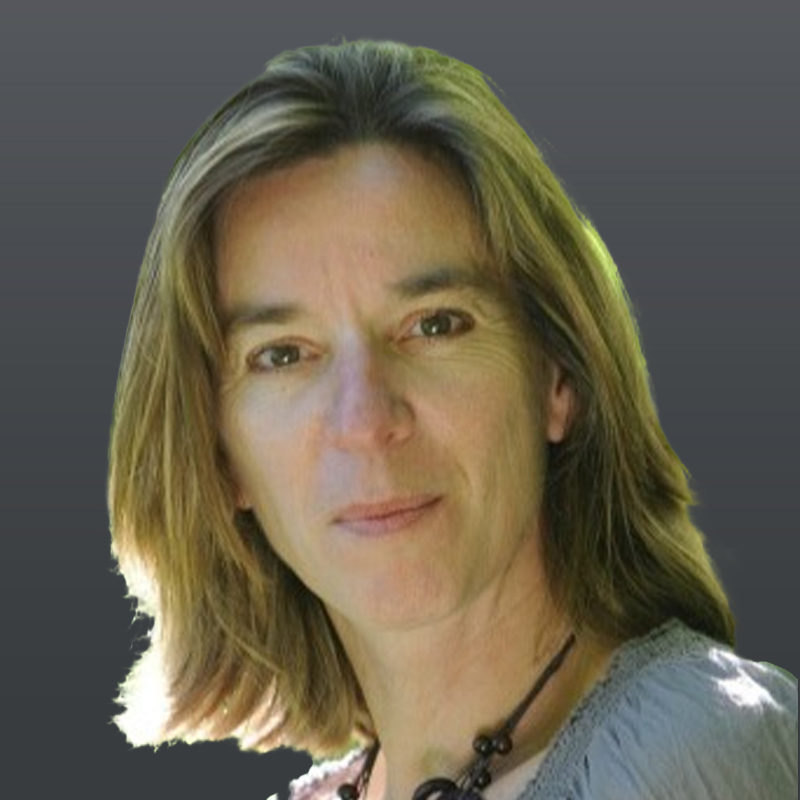
Sylvie Goyet
Deputy Co-ordinator / Head of Environmental Activities, OSCE
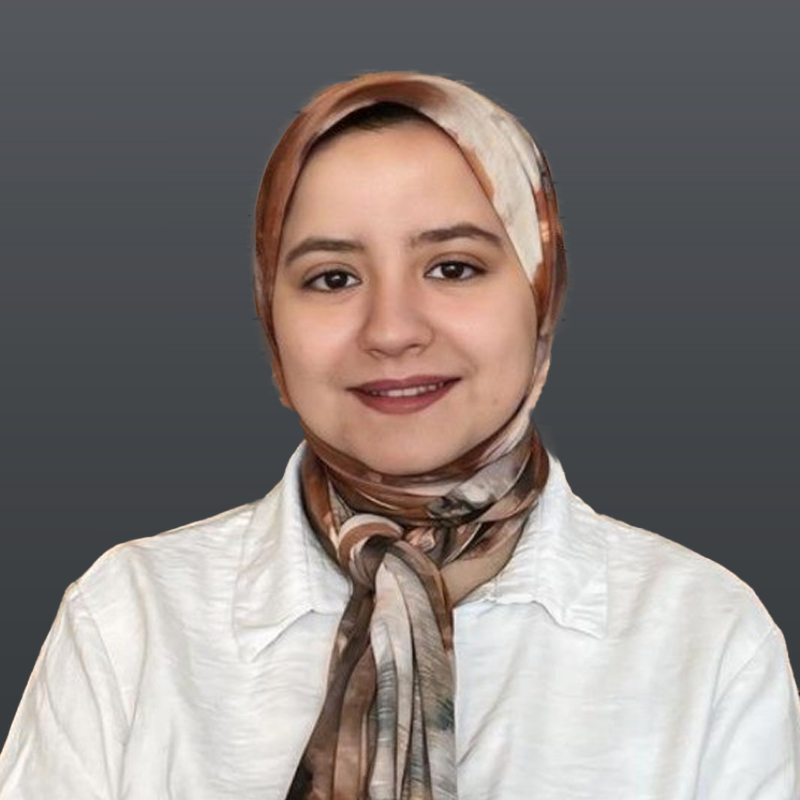
Hiba Bouazza
UM6P – Mohammed VI Polytechnic (Morocco)
Moderator
Inês Duarte
Union for the Mediterranean (UfM)
Reframing Global Mitigation: Youth-Driven Pathways for Cooperative Carbon Markets and Circular Transitions
Panel Members

Ms. Elena-Alexandra Miron
Researcher at Energy Policy Group, Romanian Youth Delegate

Prof. Andréa Santos
Professor at COPPE/ Federal University of Rio de Janeiro, Coordinator of the Sustainability Transporte Lab (labTS) at COPPE, Brazil
Alice Nelson
Student
Anne Wanjiru
Student
Yezen Nael
Student
Background
This session aims to present youth-developed policy contributions that strengthen ongoing global discussions on mitigation architecture and equity. Building on the emerging Global Determined Contributions (GDC) framework, the session introduces analytical and policy innovations proposed by the COP30 Simulation participants that operationalize fairness and measurable cooperation between high-emitting and climate-vulnerable nations. In parallel, the Circular Carbon Markets for Renewable Energy (CCM-RE) framework is presented as a mechanism to integrate circular economy principles into carbon trading, generating finance for equitable, low-carbon transitions. Together, these frameworks offer implementable, evidence-based approaches to closing the mitigation gap, enhancing North–South cooperation, and aligning policy with the 1.5 °C target.
In Focus
This session, hosted at the WGEO Pavilion at COP30 Blue Zone, showcases the policy outputs of the COP Simulation Programme’s mitigation research theme. The discussion focuses on two interconnected frameworks. The first builds on the emerging Global Determined Contributions (GDC) model, proposing practical mechanisms for measurable, transparent, and equitable cooperation between high-emitting and climate-vulnerable nations while guided by the principle of mutirão, or collective synergy. The second, the Circular Carbon Markets for Renewable Energy (CCM-RE), introduces a policy design that embeds circular economy practices into carbon markets, creating dedicated finance streams for just transitions and renewable energy infrastructure.
Through student presentations and high-level expert interventions, the session explores how these proposals can inform the next phase of mitigation negotiations while strengthening implementation pathways, addressing systemic inequities, and ensuring that the energy transition is both effective and inclusive.
Unlocking Climate Action Through Popular Film and Fiction
Panel Members
Ms. Genevieve Hilton (pen name: Jan Lee)
co-author of Fairhaven – A Novel of Climate Optimism (2024) and Defying Futility (2025)
Background
Popular film and fiction have a long history of influencing social and public perceptions of issues (examples: Uncle Tom’s Cabin, credited with changing public opinion on slavery in the United States in the 1860s; The Reign of Greed, cited as a major cause of the Philippines Revolution, The Jungle, named as the driving force behind the creation of the United States Food and Drug Administration). At the same time, innovations are often envisioned in fiction, only later inspiring the real-life solutions (known as the “Star Trek Effect”).
In today’s fragmented information environment, fiction has the potential to fill the gap left by mistrust in mainstream media and official reports.
In Focus
This session will examine the impact of climate fiction on raising awareness among hard-toreach groups, inspiring climate action among specialists and policymakers, and addressing climate anxiety among youth.
Questions for Panel Discussion
1. What is climate fiction and how is it different from any other type of content?
- Is climate fiction the same as science fiction?
- Is all climate fiction apocalyptic? What are the roles of apocalyptic climate fiction as opposed to optimistic climate fiction?
- Should climate change be brought into every piece of fiction?
2. What are your respective climate stories?
- Brianna Craft – a young adult novel
- Jan Lee – an action novel based on climate solutions
- Solitaire Townsend – an alternate universe about a petro-state Roman empire
3. What can history tell us about the potential of popular film and fiction to impact public opinion and inspire action?
4. What types of problems can climate fiction help us address?
- What are the current roadblocks to innovation?
- What are the roadblocks in policymaking and public opinion?
- What are the issues of climate anxiety and whom does it affect?
5. How can climate fiction inspire action?
- How can visualizing positive outcomes in a fictional context help to expand the potential to create these outcomes?
- How do young people interact with information on the climate and how can climate fiction influence outlooks?
6. What formats can climate fiction take to inspire action?
- Can non-authors get involved in creative fiction and how can this help visualize positive outcomes?
- Do novels translate well to other media, and is there a difference in how written materials influence public opinion now versus in the past?
Power with Purpose: Delivering Nature-Positive Offshore Wind
Panel Members
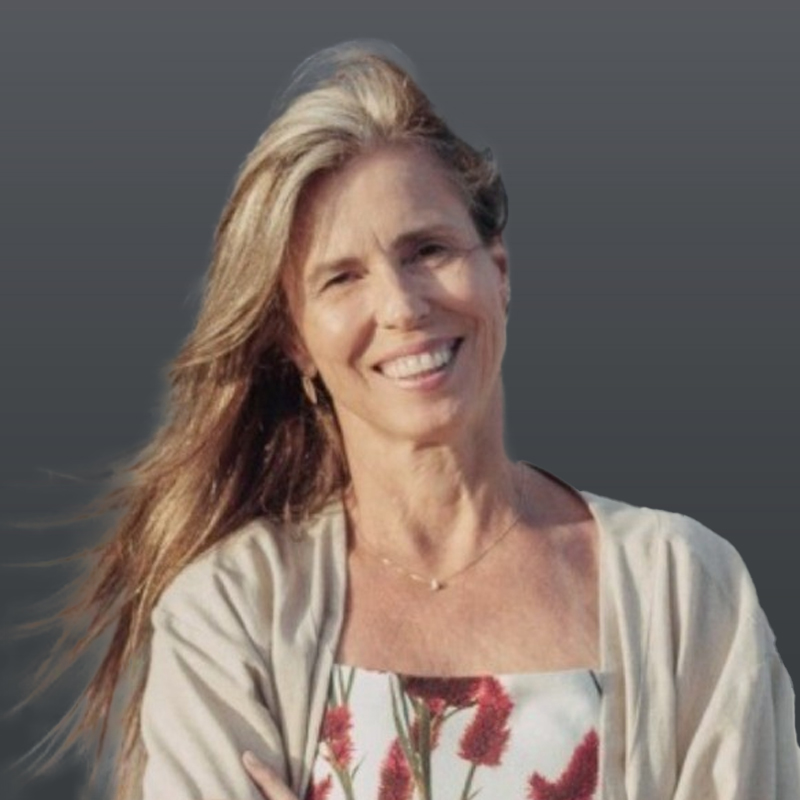
Marinez Scherer
Ocean Envoy, COP 30 Presidency

Shamini Selvaratnam
GINGR Offshore Working Group Chair, Ocean Conservancy

Rebecca Humphries
Head of Climate Policy Europe, The Nature Conservancy

Quilin Lui
GINGR Secretariat, IUCN
Background
In response to global commitments to accelerate decarbonization, COP28 reaffirmed the need to triple renewable energy capacity by 2030. Achieving this goal requires rapid clean energy deployment that also respects biodiversity and community well-being. To advance an integrated approach to climate and nature, the Global Initiative for Nature, Grids, and Renewables (GINGR) was launched by the International Union for Conservation of Nature (IUCN) and the Renewables Grid Initiative (RGI). Through collaboration with governments, industry, financiers, and civil society, GINGR is developing a pioneering framework to assess and address the ecological and social impacts of renewable energy and grid projects. Within this initiative, the GINGR Offshore Working Group, led by Ocean Conservancy, helps translate these ambitions into practice for the offshore wind sector.
While countries are advancing ambitious offshore wind targets, major challenges remain in aligning deployment with environmental and social priorities. The new paper, “Powering the Transition: Integrating Nature into Offshore Wind Development,” provides a clear and practical roadmap six key “asks” to embed biodiversity and community benefits across the project lifecycle. As governments prepare their next round of NDCs and climate commitments under the COP30 Action Agenda, this moment offers a critical opportunity to scale offshore wind in ways that enhance natural ecosystems, securing both climate and biodiversity outcomes.
In Focus
This session, convened by Ocean Conservancy, will launch the new paper and convene governments, industry leaders, and civil society to accelerate practical solutions for delivering nature-positive offshore wind at scale. The session will feature a keynote address, presentation of the paper’s headline messages, and a focused panel discussion with high-level representatives from government, industry, finance, and the science/NGO community.
Register for this session© 2025 WGEO- World Green Economy Organization. All Rights Reserved.