 info@worldgreeneconomy.org




WGEO at COP30
 10th-21st November 2025
  Belém, Brazil
Saturday, 15 November 2025
Innovative Climate Finance and Carbon Market Mechanisms
Affordable Access to Technologies Vital to Achieving Climate Goals

Panel Members

Chantal Line Carpentier
Head, Trade, Environment & Climate Change
International Trade and Commodities Division

Leva Baršauskaitė
IISD

Luz Maria de La Mora
Director, International Trade and Commodities, UNCTAD

Kudzai Sharon Kandemiri
Youth Negotiators, Zimbabwe
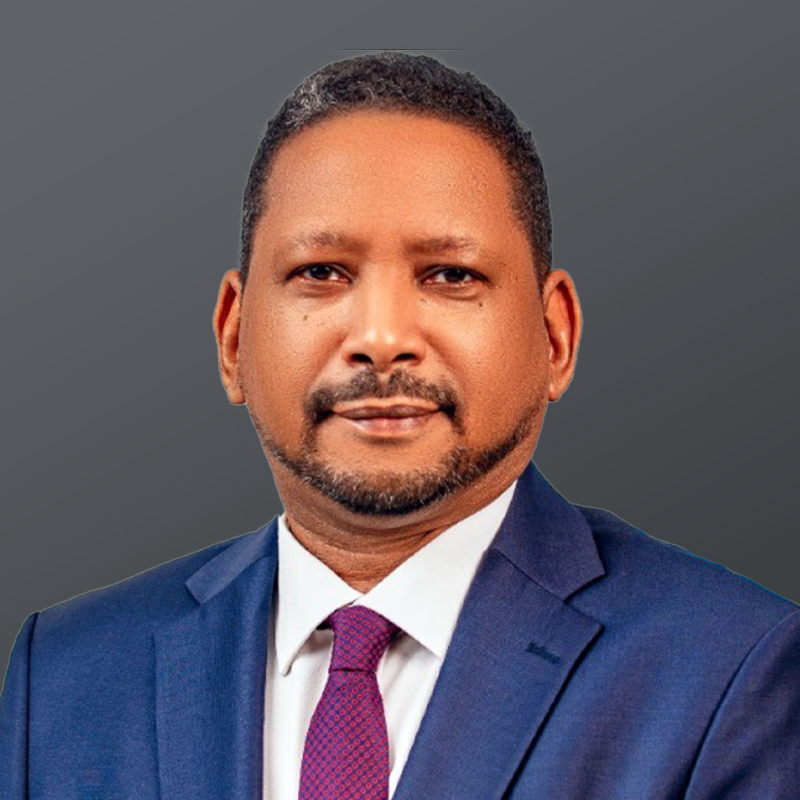
Abdourahamane Diallo
UN Resident Coordinator in the Republic of Congo

Noelia Garcia Nebra
Head of Sustainability and Partnerships, ISO

Ketakandriana Rafitoson
Executive Director, PWYP /Vice-Chair, Transparency International and Resource Justice
Background
Technology transfer has been part of international treaties and UN outcome documents for decades, including in relation to climate mitigation and adaptation goals. Yet technologies that are vitally needed to accelerate climate action, do not flow to those that need them the most and uptake of such technologies is limited by a range of factors.
Trade has a key role to play as a transmission factor, enabling cheaper access to technologies for which the domestic production might be too costly or too complex, and trade cooperation will be vital to accelerate affordable access, but a broader focus will also be needed.
In Focus
This session aims to focus attention on the range of factors key to boosting access to affordable technologies, including the cost of capital, skills, regulatory environment, investment, trade policies, as well as the role that the private, public, academic sectors can play in supporting win-win solutions such as co-development, production or partnerships on technology
Key Takeaways & Learning Outcomes:
How an ecosystem of actors needs to come together to ensure those that most need technologies and capacity building to implement climate solutions have affordable access to them, while ensuring co-benefits in regard to biodiversity and pollution priorities, and to achievement of the SDGs.
From Commitments to Capital-Accelerating NDCs Implementation through Green Investment and Finance
Panel Members

Moubarak Moukaila
Head of Financing Sustainable Development, West African Development Bank (BOAD)

Thibyan Ibrahim
Director, Climate Change Department
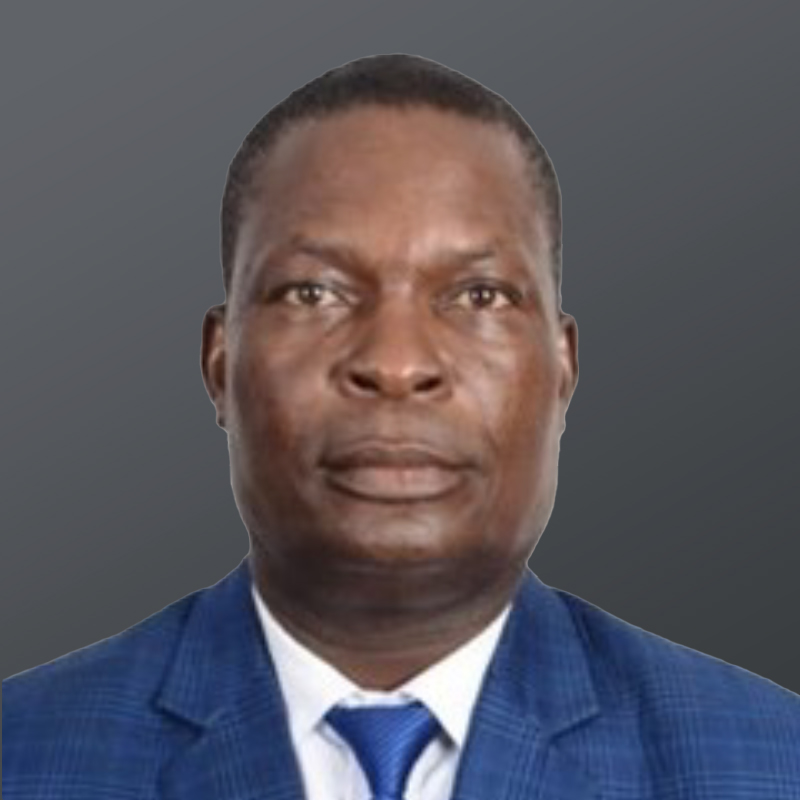
Peter Odhengo
Chair, Network of National Designated Authorities for Green Climate Finance in Africa (AFDAN)

Jerome Auchere
Senior Director, WGEO
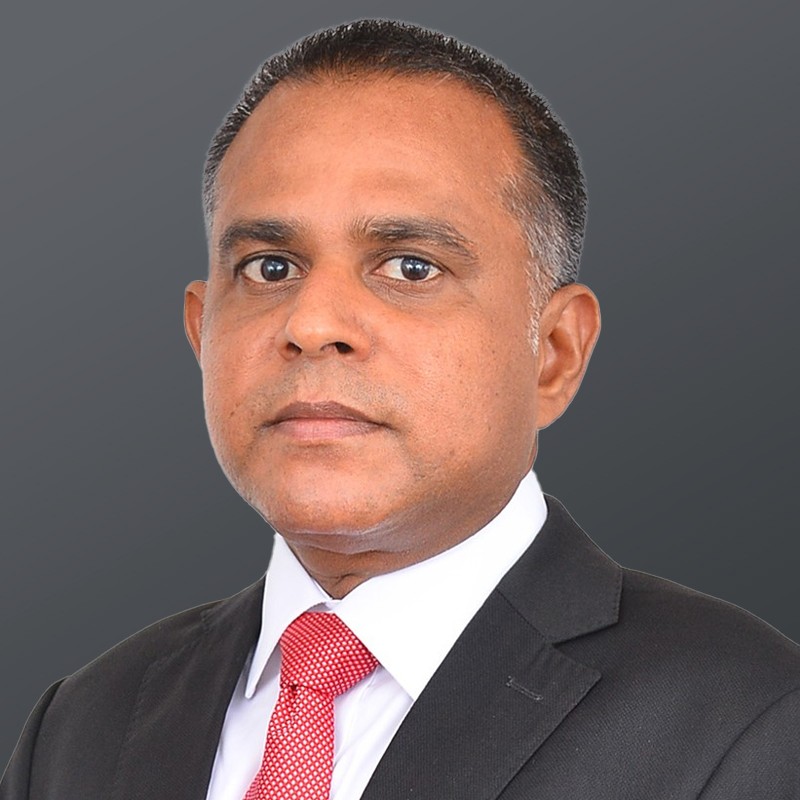
Amjad Abdulla
Special Advisor to Director General WGEO

Wael Al Masri
Acting Director, Communications and External Relations, WGEO
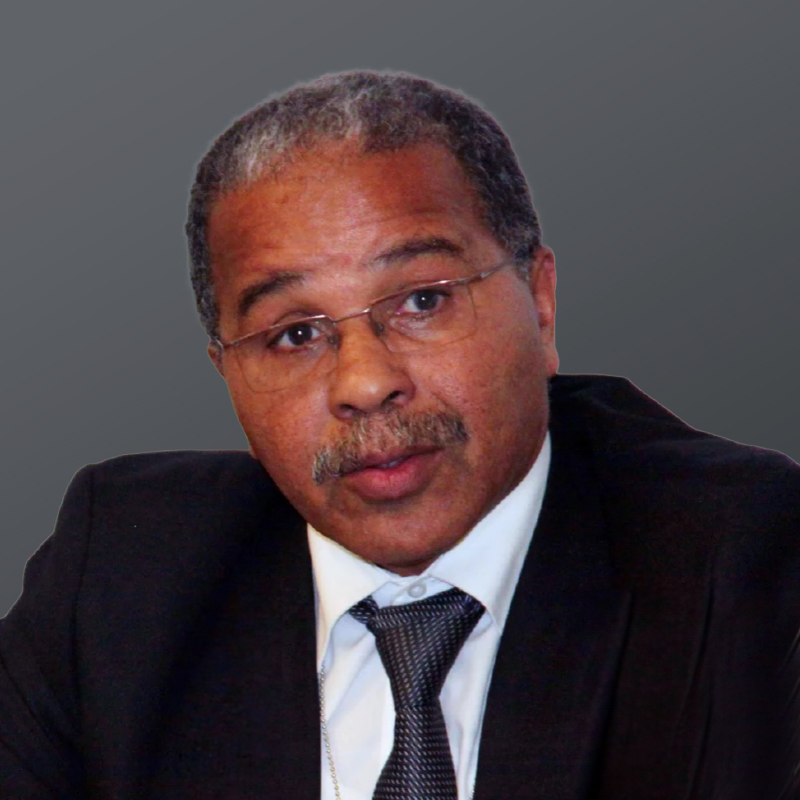
Mohamed NBOU
Climate Advisor at the General Secretariat of UCLG-Africa
Moderator

Edem Bakhshish
Lead-Program Development, WGEO
Background
The Regional Green Economy Forum (RGEF) 2026 of the World Green Economy Organization (WGEO), will build on the momentum of COP30 outcomes and the growing global consensus on the need to move from commitments to implementation. While countries have made ambitious pledges under their Nationally Determined Contributions (NDCs), translating these into tangible, bankable projects remains a key challenge. The financing gap for climate and green economy initiatives continues to widen, particularly for developing countries, Small Island Developing States (SIDS), and Least Developed Countries (LDCs).
The WGEO’s comparative advantage lies in its ability to bridge policy ambition with practical implementation. As an intergovernmental platform connecting over 90 member states, WGEO brings together governments, international organizations, financial institutions, and the private sector to translate climate and green economy commitments into bankable, scalable projects. The Regional Green Economy Forum (RGEF) 2026 will serve as a results-oriented platform to identify and unlock investment opportunities aligned with national priorities and NDCs targets. Through structured matchmaking, capacity building, and regional cooperation, RGEF 2026 will support member states, particularly Small Island Developing States (SIDS), Least Developed Countries (LDCs), and emerging economies in accessing climate finance, de-risking green investments, and accelerating tangible progress toward low-emission, climate-resilient development.
To address this challenge, the WGEO, in partnership with governments, international organizations, financial institutions, and the private sector, will convene the Regional Green Economy Forum 2026. The Forum will serve as a regional platform to connect policy ambition with practical investment opportunities, accelerating the flow of capital toward green, resilient, and inclusive growth.
The RGEF 2026 aligns with WGEO’s intergovernmental mandate to promote the global transition to a green economy through multi-stakeholder partnerships. It will also serve as a follow-up mechanism to advance the implementation of COP30 outcomes, Article 2.1(c) of the Paris Agreement, and the Sustainable Development Goals (SDGs).
Rationale
Despite increasing political commitment to climate action, many countries continue to face challenges in translating NDCs into implementable investments. Barriers include limited 93 access to finance, weak project preparation capacity, insufficient enabling environments for private investment, and fragmented institutional coordination.
For SIDS and LDCs, these barriers are amplified by their small scale, geographic isolation, and vulnerability to external shocks. There is an urgent need for mechanisms that can bridge this gap, helping countries move from policy to pipeline and from dialogue to delivery. RGEF 2026 responds to this need by providing a regional platform that mobilizes political will, technical assistance, and financing partnerships to deliver measurable outcomes. It will also enhance regional cooperation and South–South collaboration, enabling countries to share lessons, access finance, and replicate successful models across regions.
In Focus
Building on WGEO’s mandate to accelerate the global transition to a green and inclusive economy, RGEF 2026 aims to accelerate the transition’s commitments to capital by transforming national climate and green economy strategies into bankable, investable projects. It will focus on enabling countries to access finance, build institutional capacity, and attract private sector investment for sustainable economic transformation.
The key objectives are:
- Introduce the theme and strategic focus of RGEF 2026.
- Operationalize green economy pathways by connecting national policy frameworks with financing instruments and private sector investment, consistent with Article 2.1(c) of the Paris Agreement.
- Highlight the role of green finance and investment mechanisms in accelerating the implementation of NDCs.
- Facilitate partnerships and matchmaking between governments, financial institutions, investors, and technical agencies to mobilize capital for NDC implementation.
- Strengthen capacity of Member States; particularly SIDS, LDCs, and emerging economies, to prepare, finance, and implement green and climate-resilient projects.
- Promote regional and South–South cooperation through knowledge sharing, technology transfer, and peer learning.
- Encourage co-hosting, sponsorship, and strategic participation in RGEF 2026.
Expected Outcomes
This session aims to boost the RGEF 2026 visibility, strengthen partnerships for green investments, identify potential collaborators and sponsors, and highlight WGEO’s leadership in driving practical green economy solutions. The session will aim to produce the following key outcomes:
- Increased visibility of RGEF 2026 and its contribution to NDC implementation.
- Strengthened partnerships for mobilizing green investments and finance.
- Identification of potential collaborators and sponsors.
- Enhanced recognition of WGEO’s role in driving practical solutions for green economy transitions.
Questions for Panel Discussion
1. Panelist 1 – Policy Maker/Government Representative:
- What policy instruments or incentives have proven most effective in mobilizing private sector investment in green projects within your region?
2. Panelist 2 – Financial Institution/Bank Representative:
- How do you assess and manage risks associated with green investments, and what innovative financing mechanisms have you implemented to support climate action?
3. Panelist 3 – Private Sector/Investor Representative:
- How does your organization prioritize green investments, and what challenges have you faced in accessing finance for sustainable projects?
4. Panelist4 – WGEO Representative:
- From your experience, what regional partnerships or international collaborations have accelerated the flow of green finance, and what lessons can other regions apply?
5. Common Question for All Panelists:
- What are the key barriers for scaling up green finance in your region, and how can stakeholders, governments, private sector, and development partners work together to overcome them?
Blended Finance Innovations: De-risking Private Investment in Climate Solutions
Panel Members

Agnes Vinblad
Policy Director & Head of Practice - Environment, Climate & Biodiversity, United States Council for International Business (USCIB)

Dr Satish Kumar
President & ED, Alliance for an Energy Efficient Economy (AEEE)

Felicity Spors
Director, Sustainable Business & Infrastructure, Climate Strategy & Delivery

Dana Barsky
Global Head of Sustainability Strategy and Net Zero

Wendy Miles
Vice Chair, Environment and Energy Commission, International Chamber of Commerce
Background
Mobilizing trillions of dollars for climate action requires unlocking private capital at scale. While public finance remains essential, it is insufficient to meet the investment needs of the lowcarbon transition, particularly in developing countries. Blended finance – strategically combining concessional public or philanthropic capital with commercial investment – has emerged as a critical tool to de-risk climate projects, attract institutional investors, and expand access to affordable finance for vulnerable economies.
Recent initiatives show that blended finance can catalyze private sector participation in renewable energy, sustainable agriculture, and resilience infrastructure by reducing perceived risks and enhancing returns. However, barriers persist, including limited project pipelines, high transaction costs, and uneven access across regions. For blended finance to deliver transformative impact, innovative structures are needed that go beyond traditional models, enabling greater participation of local financial institutions, sovereign wealth funds, and development banks.
In Focus
This session will highlight cutting-edge blended finance models that de-risk climate investments while ensuring equitable distribution of benefits. Panelists will examine successful case studies where concessional finance mobilized large-scale private investment in mitigation and adaptation projects. The discussion will also explore how to design blended finance mechanisms that align with national development priorities and the Paris Agreement while maintaining transparency and accountability.
Special attention will be given to strategies that build trust among investors, governments, and communities – such as risk-sharing mechanisms, credit enhancements, and performancebased guarantees. Additionally, the session will analyze how blended finance can be structured to channel resources toward sectors and geographies that are currently underserved but critical for global climate goals.
Questions for Panel Discussion
1. How can blended finance structures be designed to effectively de-risk climate investments?
- What risk-sharing instruments (e.g., guarantees, subordinated capital, insurance) are most effective in mobilizing private capital?
- How can transaction costs be reduced to make blended finance more scalable and accessible?
- What lessons can be drawn from successful blended finance models across different regions and sectors?
2. How can blended finance ensure equitable participation and alignment with national climate priorities?
- How can governments and development partners structure blended finance to align with NDCs and local development strategies?
- What mechanisms can ensure that vulnerable countries and communities are not left behind in accessing blended finance opportunities?
- How can blended finance avoid crowding out domestic capital and instead strengthen local financial systems?
3. What innovations are needed to scale blended finance for climate at the global level?
- How can institutional investors and sovereign wealth funds be incentivized to participate in climate-focused blended finance?
- What role can digital technologies and data platforms play in enhancing transparency and investor confidence?
- How can partnerships between multilateral institutions, private investors, and philanthropies accelerate the flow of blended finance into climate solutions?
Mainstreaming Energy Efficiency as the First Fuel – A Dialogue
Panel Members

Helen Walter-Terrinon
Global Director of Policy and Advocacy, Trane Technologies

Bob Hinkle
President & CEO, Metrus Energy
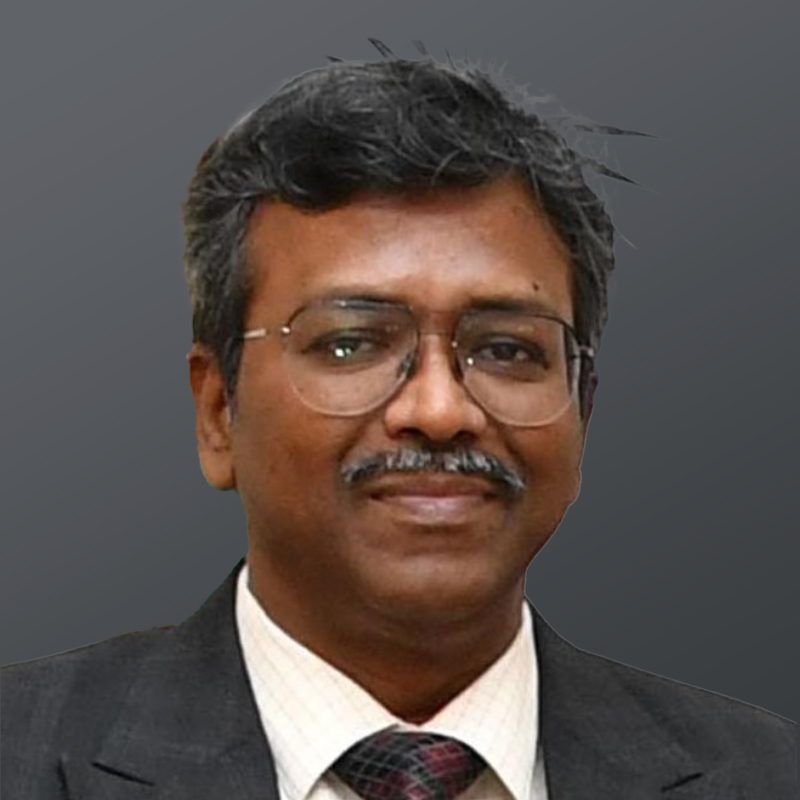
Bhaskar Sarkar
Chief Business Officer, Adani Cooling Solutions Ltd., India
Moderator

Dr Satish Kumar
President & ED, AEEE
Background
Energy efficiency is the world’s first fuel – the fastest, cleanest, and cheapest route to achieving climate goals and economic resilience. It reduces energy demand, enhances energy security, and unlocks co-benefits for jobs, health, and competitiveness. The G20’s collective pledge to double the global rate of energy efficiency improvement by 2030 underscores its central role in a just and resilient energy transition.
In Focus
This session will explore how energy efficiency can move from the margins to the mainstream of global climate action – shaping policy, finance, and technology pathways for an equitable, demand-led energy transition across the Global South.
1. Positioning Energy Efficiency at the Core of the Global Energy Transition
- How can energy efficiency be recognized and treated as a “first fuel” in global energy planning and investment frameworks?
- What mechanisms can ensure that efficiency actions deliver measurable emissions reductions and resilience benefits?
- How can countries in the Global South leverage efficiency to balance economic growth with climate ambition?
2. Mobilizing Finance and Policy for the Doubling Target
- What financial and policy innovations are needed to double the rate of energy efficiency improvement by 2030?
- How can efficiency investments be made more attractive to global capital and integrated into just transition financing?
- What role can international cooperation play in creating shared data, accountability, and peer-learning ecosystems?
3. Translating Efficiency into Impact: Technology, Behavior, and Systems Change
- How can technology, digitalization, and behavioral shifts converge to unlock large-scale efficiency gains across buildings, mobility, and industry?
- What are the emerging opportunities for demand-side flexibility and energy-efficient infrastructure in cities?
- How can workforce skilling and capacity building ensure that efficiency transitions are inclusive and locally owned?
Sustainable Finance for Climate-Resilient Agricultural Value Chains
Panel Members

Andrea Fión Góngora
Director of Climate Change, Ministry of Environment and Natural Resources of Guatemala – MARN

Dra. Laura Aguirre Téllez
General Director for Green Finance, Ministry of Agriculture and Rural Development of México – SADER (TBC)

Gabriela Marquéz González
Director of Climate Change Mitigation and Adaptation, Vice Ministry of Climate Change and Sustainability of the Dominican Republic

Dr. Hugo Rosa da Conceição
Project Associate, OroVerde
Moderator

Álvaro Rojas Ferreira
Associate Academic Officer for Climate Risk Analytics, UNU-EHS/MCII
Background
Agricultural value chains are increasingly exposed to climate-related risks that threaten productivity, trade, and rural livelihoods. Mobilizing sustainable finance is critical to support adaptation and resilience through climate-smart investments, risk management tools, and biodiversity-friendly practices. Financial mechanisms can bridge the gap between climate goals and agricultural challenges.
Emerging experiences, such as those from Latin America, illustrate how partnerships among governments, financial institutions, and local actors can leverage finance to strengthen resilience, enhance inclusion, and promote long-term sustainability.
In Focus
The session will explore how sustainable finance and supportive public policies can strengthen climate-resilient agricultural value chains by promoting regulatory and policy frameworks that incentivize investments in risk reduction, enhance the resilience of smallholder farmers, and ensure inclusive access to finance, particularly for women and vulnerable groups. It will also highlight the critical role of governments in creating enabling environments that align climate and biodiversity action with sustainable rural development.
Questions for Panel Discussion
1. How can sustainable finance catalyze climate-resilient transformation in agricultural value chains?
- What examples demonstrate effective financial innovation for smallholder producers and rural enterprises?
- How can risk transfer instruments (e.g. insurance, resilience bonds) be scaled to reduce climate vulnerability and enhance both ecological and socio-economic resilience to climate change?
- What is the role of development banks and public–private partnerships in unlocking climate finance for agriculture?
2. How can financial solutions ensure inclusion and equity in climate-resilient agriculture?
- What mechanisms can strengthen access to finance for women and other vulnerable groups?
- How can climate finance initiatives integrate social safeguards and gender-responsive approaches?
- What policies foster fair participation and benefit-sharing along agricultural value chains?
3. What enabling conditions are needed to expand sustainable finance for resilience?
- How can governments integrate climate risk into national financial and agricultural frameworks?
- What role can regional cooperation play in mobilizing blended finance and sharing best practices?
- How can transparency and monitoring systems ensure effective allocation and impact of climate finance?
Democratizing Access to Climate Finance and Carbon Markets: Bridging the SME Data Divide
Panel Members

Felicity Spors
Director, Sustainable Business & Infrastructure, Climate Strategy & Delivery, EBRD

Gry Langbakk
Special Director, COP Norwegian business delegation and pavilion & Special Advisor Green Growth & Transformation, Innovation Norway

Liv Watson
Co-Founder, Global Digital Single Market Data Alliance (DSMDA)

Catherine Atkin
Chair, Stanford CodeX CDPI
Background
Small and medium-sized enterprises (SMEs) are the economic backbone of low- and middleincome countries and critical drivers of the green transition. Yet without access to emissions accounting tools, standardized methodologies, and interoperable data systems, most SMEs remain excluded from sustainable finance, carbon markets, and global disclosure frameworks. Financial institutions and governments increasingly recognize that achieving climate goals and economic resilience depends on empowering SMEs to produce investor-grade sustainability data.
In Focus
This session will explore how open data frameworks, digital trust infrastructures, and public– private partnerships can close the SME data and finance gap. It will highlight how automated data systems, harmonized standards, and collaborative innovation can unlock inclusive participation in carbon markets and green investment. The discussion will showcase global efforts – spanning policy, finance, and technology – to ensure that emerging data solutions strengthen SME competitiveness, transparency, and access to climate finance.
Questions for Panel Discussion
1. Closing the SME Data Gap
- What are the most significant barriers preventing SMEs from collecting and reporting sustainability data?
- How can interoperable digital tools and open standards simplify data collection and verification for SMEs?
2. Financing and Market Access
- How can better SME data enable access to green finance, carbon markets, and supply chain opportunities?
- What financial instruments and partnerships can scale investment in SME decarbonization and resilience?
3. Innovation and Infrastructure
- What role can AI, blockchain, and digital trust frameworks play in automating measurement, monitoring, reporting, and verification (MMRV)?
- How can these technologies support transparency and integrity across the SME finance ecosystem?
4. Equity and Global Collaboration
- How can LMICs, development banks, and private-sector innovators collaborate to ensure SME inclusion in the global green transition?
- What governance and policy approaches can align SME data ecosystems with Article 6 mechanisms and global disclosure standards?
© 2025 WGEO- World Green Economy Organization. All Rights Reserved.