 info@worldgreeneconomy.org




WGEO at COP30
 10th-21st November 2025
  Belém, Brazil
Wednesday, 12 November 2025
Inclusive Green Growth: Jobs, Justice & Climate Literacy
Just Transition Workforce Development: Reskilling for Green Economy Careers

Panel Members

Carlos Silva Filho
Former President,
International Solid Waste
Association, Member of the UN
Zero Waste Advisory Board

Sandeep Chandna
Chief Sustainability Officer,
Tech Mahindra Ltd.
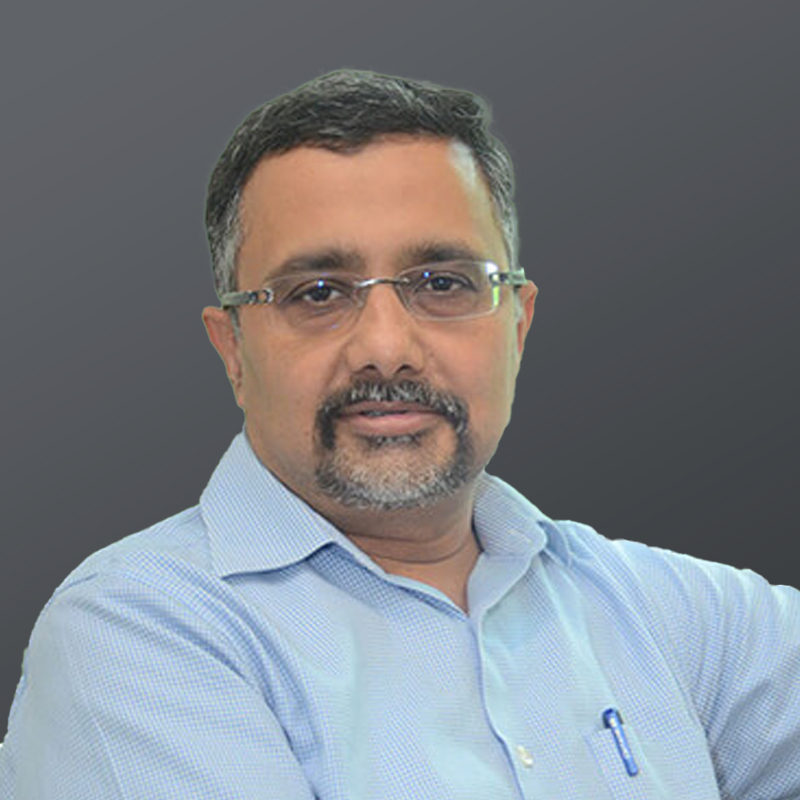
Jayanta Chaudhuri
Director, Alliance for an Energy
Efficient Economy (AEEE)

Valentin Lavaill
Principal, Kearney
Moderator

Hani Tohme
Partner, MEA Sustainability Lead,
Kearney
Climate Justice Through Economic Empowerment: Entrepreneurship for Marginalized Groups
Panel Members

Marcos Matos
CEO, Eureciclo

Ana Vukoje
Regional Lead, UNFCCC-WGEO
Regional Collaboration Center for
MENA and South Asia

Sattie Persaud
Founder, World Heritage
Cultural Center
Moderator

Beth Bovis
Partner, Global Sustainability Lead,
Kearney
Background
Achieving climate justice requires addressing the disproportionate impact of climate change on marginalized and vulnerable groups, including women, youth, Indigenous peoples, and lowincome communities. These groups often face structural barriers that limit their participation in the green economy, from lack of access to finance to exclusion from policy and decisionmaking processes. At the same time, they hold immense potential as agents of change, bringing innovative solutions and community-based knowledge that can advance both climate action and inclusive development.
Entrepreneurship is a critical pathway for empowering marginalized groups, enabling them to build climate-resilient livelihoods while contributing to mitigation and adaptation goals. By creating enabling ecosystems that expand access to finance, markets, training, and technology, governments and international organizations can ensure that entrepreneurship serves not only economic empowerment but also the principles of fairness and justice at the heart of the Paris Agreement.
In Focus
This session will highlight how entrepreneurship can bridge climate justice and economic inclusion by supporting marginalized groups to enter and thrive in climate-related sectors such as renewable energy, circular economy, and sustainable agriculture. The discussion will focus on the role of microfinance, impact investment, and social enterprise models in expanding opportunities for underrepresented entrepreneurs. It will also examine the barriers these groups face – including access to capital, skills, and networks – and how targeted policies, innovative financing mechanisms, and public-private partnerships can help overcome them. Panelists will explore how entrepreneurship can be a tool for climate justice, ensuring that those most affected by climate change also benefit from the transition to a green economy.
Questions for Panel Discussion
1. How can microfinance and impact investment expand entrepreneurship opportunities for marginalized groups in climate sectors?
- What role can development banks and microfinance institutions play in scaling access to climate finance for small entrepreneurs?
- How can impact investors be incentivized to prioritize social equity alongside environmental outcomes?
- What innovative financial instruments (e.g., blended finance, results-based financing) are most promising for marginalized entrepreneurs?
2. What barriers do marginalized entrepreneurs face in accessing green markets, and how can these be overcome?
- How do structural barriers such as lack of collateral, digital exclusion, and limited networks prevent entry into green value chains?
- What policies or programs have been successful in enabling marginalized groups to participate in climate-related sectors?
- How can capacity-building initiatives integrate both technical and business skills to support long-term success?
3. How can entrepreneurship be leveraged to address climate justice, not only economic empowerment?
- What examples demonstrate how entrepreneurship by marginalized groups has led to broader community resilience and social equity?
- How can entrepreneurship programs align with national climate strategies and just transition frameworks?
- What partnerships between governments, NGOs, and private sector actors are critical to ensure entrepreneurship drives inclusive climate outcomes?
Article 6 Implementation: Integrating National Carbon Markets and ITMO Trading
Panel Members

Chris Leeds
Head of Carbon Markets
Development, Standard
Chartered Bank

Mike Green
Director of Carbon Markets,
Native, & American Sustainable
Business Council

Wes Geisenberger
VP of Sustainability and ESG,
HBAR Foundation
Moderator

Catherine Atkin
Chair, Stanford Law School CodeX CDPI
Background
Article 6 of the Paris Agreement establishes cooperative approaches that enable countries to voluntarily trade mitigation outcomes and link their carbon markets. Its implementation is pivotal for enhancing global ambition, reducing the cost of mitigation, and mobilizing private sector investment. However, operationalizing Article 6 requires robust governance frameworks, transparency systems, and alignment with Nationally Determined Contributions (NDCs). Many developing countries are still in the process of designing national carbon market systems, raising questions about how they can effectively participate in international trading while safeguarding environmental integrity.
The successful integration of national carbon markets with international transfers of mitigation outcomes (ITMOs) presents both opportunities and risks. While such mechanisms can channel climate finance and incentivize emission reductions across borders, they also pose challenges related to double counting, fairness in market participation, and ensuring that benefits flow equitably to host countries. As COP30 advances the implementation phase of the Paris Agreement, governments, private sector actors, and technical experts face the urgent task of ensuring that Article 6 operationalization accelerates climate ambition and delivers real, verifiable outcomes.
In Focus
This session will explore pathways to build transparent, credible, and inclusive national frameworks for carbon markets that can seamlessly integrate into Article 6 cooperative approaches. It will discuss governance mechanisms, capacity-building needs, and private sector engagement models to ensure integrity and equity in ITMO trading. The discussion will also examine innovative financial and digital tools for tracking trades, minimizing risks of double counting, and ensuring alignment with broader sustainable development objectives.
Questions for Panel Discussion
1. How can countries design robust national frameworks to implement Article 6 while safeguarding environmental integrity?
- What institutional and regulatory elements are essential for establishing credible national carbon markets?
- How can developing countries balance market participation with limited technical capacity and resources?
- What best practices exist for ensuring additionality and preventing double counting of mitigation outcomes?
2. What role can international cooperation play in enabling effective and equitable ITMO trading?
- How can Article 6 mechanisms be structured to support climate finance flows to developing countries?
- What safeguards are needed to ensure that ITMO trading enhances, rather than undermines, national climate ambition?
- How can regional cooperation support harmonization of rules and reduce fragmentation across carbon markets?
3. How can technology and the private sector contribute to scaling carbon market integrity and ambition under Article 6?
- What role can digital platforms, including blockchain, play in ensuring transparency and traceability in ITMO trading?
- How can the private sector be incentivized to participate while maintaining high standards of environmental integrity?
- What innovative financing models can mobilize private investment into national markets linked to Article 6 mechanisms?
Green Job Creation in Vulnerable Communities: Equitable Employment Pathways
Panel Members
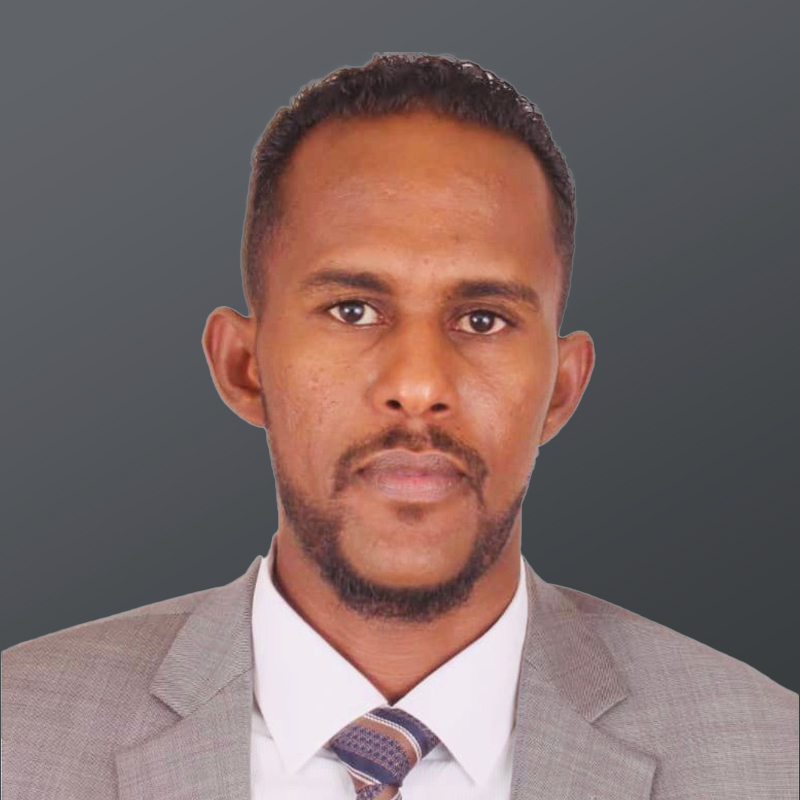
Abdikadir Dakane
National Director,
SOS Children's Village

Zoe Brent
Senior Research Specialist, Environmental
and Climate Justice Program, United Nations
Research Institute for Social Development
(UNRISD)

Luca Brusa
Chief External Relations,
United Nations

Emanuel Queiroz
Vice President for Cloud and
Sustainability, Capgemini
Moderator

Beth Bovis
Partner, Global Sustainability Lead,
Kearney
Background
The global transition to a low-carbon economy offers significant potential for green job creation, yet the benefits are not evenly distributed. Vulnerable communities – particularly those in developing countries, marginalized urban areas, and rural regions – often face barriers to accessing emerging employment opportunities in renewable energy, sustainable agriculture, waste management, and climate-resilient infrastructure. Without inclusive policies, these communities risk being left behind in the green transition.
Promoting equitable employment pathways in vulnerable communities is not only a matter of social justice but also a driver of resilience and sustainable economic growth. Empowering these communities with access to skills training, financing, and entrepreneurship opportunities enhances their ability to contribute to climate solutions while improving livelihoods. Through GAGE, WGEO is working with member states to support inclusive approaches that align climate action with decent work opportunities, ensuring that the green economy transition delivers shared prosperity.
In Focus
This session will explore how targeted job creation initiatives can foster equitable green transitions in vulnerable communities. It will highlight case studies where renewable energy projects, sustainable land management, and circular economy ventures have created meaningful employment, particularly for women and youth. The discussion will also focus on the role of governments, development partners, and the private sector in designing labor policies, financing mechanisms, and partnerships that unlock green jobs for those most at risk of exclusion.
Questions for Panel Discussion
1. How can vulnerable communities be empowered to access opportunities in the green economy?
- What barriers prevent these communities from entering green job markets, and how can they be removed?
- How can job creation programs prioritize inclusivity for women, youth, and informal workers?
- What role can local governments and grassroots organizations play in connecting communities to green employment pathways?
2. What policy and institutional frameworks are needed to align green job creation with equity goals?
- How can labor and social protection policies be adapted to support vulnerable workers in transitioning sectors?
- What role can national climate strategies (e.g., NDCs and just transition plans) play in prioritizing equitable job creation?
- How can partnerships between ministries of labor, environment, and economy strengthen policy coherence?
3. How can financing and partnerships support scalable job creation in vulnerable communities?
- What innovative financing models can mobilize resources for community-based green enterprises?
- How can private sector actors be incentivized to create jobs in marginalized areas?
- What role can development finance institutions and climate funds play in enabling green employment programs at scale?
Launching Somalia’s National Adaptation Plan (Nap): Advancing Climate-Resilient Development
Panel Members

H.E. Lt. General Bashir M Jama
Minister of Environment and
Climate Change

Hafsa Abdullahi
Climate Change Department Director,
Ministry of Environment and Climate
Change, Somalia

Saliha Dobardzic
Programming and Innovation
Unit Lead

Ayan Harare
Climate Finance Officer,
MoECC

Dr. Daouda Ben Oumar Ndiaye
Manager of Climate Change
and Environment, Islamic
Development Bank (IsDB)

Thomas Pitaud
Regional Environment and Energy
Team Leader, UNDP Regional Hub for
Arab States

Dr. Paul Desanker
Adaptation Division
UNFCCC

Mariana Panuncio-Feldman
Engagement Director,
NDC Partnership

Jerome Auchere
Senior Director,
WGEO
Background
Somalia officially submitted its first National Adaptation Plan (NAP) to the UNFCCC in September 2025, marking a pivotal milestone in advancing the country’s
At COP30, Somalia will officially launch its first National Adaptation Plan (NAP 2026–2030), a landmark framework that charts a comprehensive pathway for strengthening resilience and safeguarding livelihoods in one of the world’s most climate-vulnerable nations. Developed under the leadership of the Ministry of Environment and Climate Change (MoECC) with support from the Green Climate Fund (GCF) and UNDP, the NAP sets out priority adaptation actions across five critical sectors: agriculture, water resources, health, infrastructure, and biodiversity. With an estimated financing requirement of USD 2.4 billion, the plan provides a structured approach to building climate-proof systems, reducing poverty, and enhancing food, water, and health security for Somalia’s most vulnerable communities.
This high-level event will feature keynote addresses, a presentation of the NAP’s vision and financing strategy, and an expert panel discussion with government leaders, development partners and donors, and the donors. It will highlight how Somalia’s NAP is integrated with the NDC 3.0, the Long-Term Low-Emissions Development Strategy (LT-LEDS), and the National Transformation Plan (NTP), reinforcing Somalia’s commitment to an inclusive, genderresponsive, and conflict-sensitive adaptation agenda.
By convening diverse stakeholders, the event aims to mobilise resources, create strategic partnerships, and share good practices on adaptation in fragile and conflict-affected contexts. The launch of the NAP underscores Somalia’s determination to transform climate risks into opportunities for resilience, peace, and sustainable development
In Focus
- Somalia’s NAP officially launched and operationalised as a national framework for climateresilient growth.
- Partnerships and investment pathways identified to mobilise USD 2.4 billion for NAP implementation.
- Adaptation strategies highlighted that deliver co-benefits across the SDGs, peacebuilding, and inclusive development.
- Knowledge sharing and policy dialogue strengthened through exchange of lessons and good practices.
Somalia positioned as a model for integrating adaptation in fragile and conflict-affected contexts.
Vocational Skills for the Green Economy: Training for Renewable Energy Careers
Panel Members

Giles Dickson
CEO, WindEurope

Luca Brusa
Chief External Relations,
United Nations

Sattie Persaud
Founder, World Heritage
Cultural Center

Manav Khanna
Programme Manager – Just Transitions,
Southern Transitions

Efrem Bycer
Workforce and Climate Policy
Partnerships, Linkedin
Moderator

Catherine Atkin
Chair, Stanford Law School, CodeX CDPI
Background
The renewable energy sector is one of the fastest-growing industries worldwide, driving both climate mitigation and economic diversification. According to the International Renewable Energy Agency (IRENA), the sector could employ over 38 million people by 2030, provided that adequate training and education frameworks are in place. Yet, many countries – particularly in the Global South – face a significant skills gap that threatens to slow down the deployment of renewable technologies such as solar, wind, and green hydrogen.
Vocational training is central to bridging this gap, equipping workers with the hands-on skills required for installation, maintenance, and operation of renewable energy systems. While universities and research institutions play a role in innovation, vocational schools are critical in preparing a workforce capable of rapidly scaling up renewable solutions. Ensuring that vocational pathways are accessible, inclusive, and aligned with industry needs is key to achieving both climate and social development goals.
In Focus
This session will explore how vocational education and training (VET) systems can be adapted to meet the demands of the green transition. Panelists will examine successful models of renewable energy training, public-private partnerships that link schools with industry, and financing frameworks that make vocational education scalable and portable across regions. The discussion will highlight opportunities for South-South cooperation through the Global Alliance on Green Economy (GAGE), enabling countries to share curricula, certifications, and training standards. Special focus will be placed on how vocational training can empower youth and marginalized communities, ensuring a just and inclusive transition.
Questions for Panel Discussion
1. What vocational training models most effectively prepare workers for renewable energy installation and maintenance?
- What examples of successful renewable energy VET programs exist, and what lessons can be replicated elsewhere?
- How can training be tailored to local contexts while meeting global standards of quality?
- What role do hands-on apprenticeships and industry placements play in ensuring employability of trainees?
2. How can partnerships between industry and vocational schools close the green skills gap?
- What incentives can governments provide to encourage renewable energy companies to co-design curricula with vocational schools?
- How can joint certification systems ensure that skills acquired are recognized by employers across regions?
- What role can international organizations and alliances such as GAGE play in facilitating cross-country partnerships?
3. What financing and accreditation systems ensure vocational training is scalable and globally portable?
- How can governments and development banks finance large-scale renewable energy VET programs in developing countries?
- What accreditation models can make green skills training portable across borders, enabling labor mobility?
- How can digital learning platforms complement in-person training to expand reach and reduce costs?
Argentina’s Provinces Driving Climate Federalism: The Role of Subnational Action in Achieving Global Climate Goals
Panel Members

Rosario María Boggione
Director of Climate Change,
Government of Jujuy Province

Vanina Basso
Secretary of Environment and
Climate Change, Government of La
Pampa Province

María Victoria Flores
Minister of Environment and
Circular Economy, Government
of Córdoba Province

Enrique Estévez
Minister of Environment and
Climate Change, Government of Santa
Fe Province
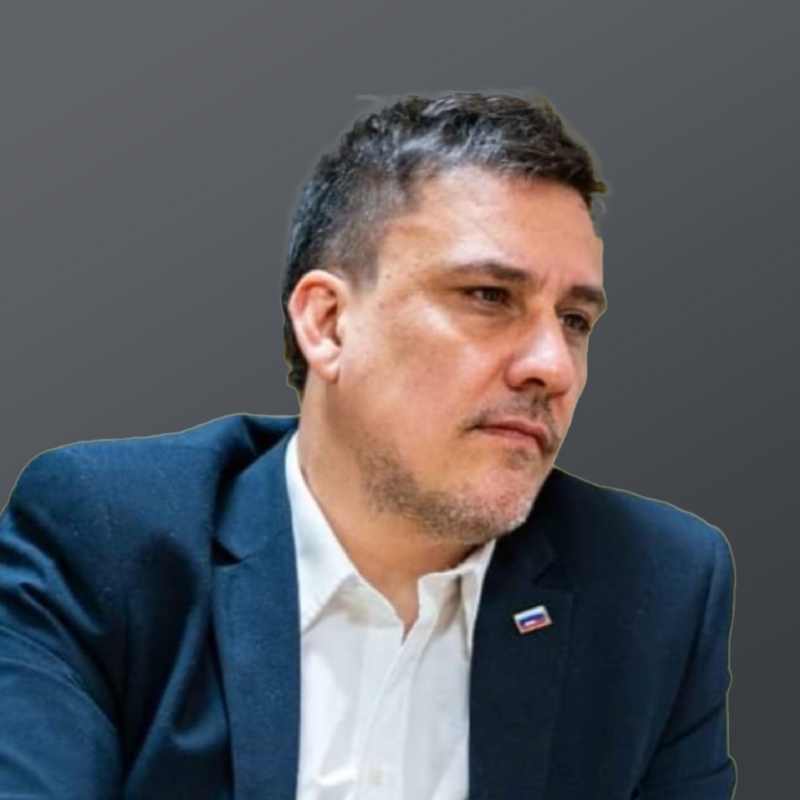
Gervasio Malagrida
Minister of Climate Change for
the Province of Misiones

Rosa Hojman
Secretary of Environment of the
Province of Entre Ríos
Moderator

María Julia Reyna
Executive Director,
ICLEI Argentina
Background
Argentina’s provinces play a decisive role in implementing climate policies that directly contribute to national and global objectives. Subnational governments are at the forefront of designing and executing strategies to reduce emissions, restore ecosystems, and advance the energy transition, while responding to their unique social, economic, and environmental contexts. Through locally tailored initiatives – ranging from renewable energy deployment and industrial efficiency programs to reforestation and sustainable land management – provincial administrations demonstrate that effective climate action must be both decentralized and collaborative.
In a country marked by significant territorial diversity and structural inequalities, the principle of climate federalism has become a cornerstone for transformative change. Provincial governments are developing territorial approaches that align local priorities with global commitments, recognizing that equitable and sustainable development depends on both autonomy and coordination across all levels of government.
Created in 2024 by the provinces of Misiones, La Pampa, Córdoba, Jujuy, Entre Ríos, and Santa Fe, the Argentine Green Alliance (Alianza Verde Argentina) embodies the spirit of cooperative federalism in climate governance. This pioneering interprovincial coalition promotes joint action to accelerate emission reductions, strengthen adaptation, and foster a just and inclusive ecological transition.
By sharing technical capacities and developing common policy frameworks, the Alliance enhances subnational leadership and contributes to building a coherent, nationwide response to the climate crisis. Argentina’s provinces possess extraordinary natural and human assets – exceptional biodiversity, vast renewable energy potential, and a skilled, sustainability-oriented workforce – yet limited access to climate finance continues to constrain their ability to scale up transformative solutions.
Mobilizing agile and sustained financing mechanisms is therefore critical to unlock provincial innovation and translate these assets into concrete actions that advance a low-emission, climate-resilient development pathway.
COP30, to be held in Belém do Pará, offers an ideal platform to showcase the progress of Argentina’s provinces and to emphasize the importance of climate federalism and subnational collaboration in achieving the Paris Agreement objectives. In developing countries such as Argentina – where regional diversity and socio-economic disparities demand tailored solutions – provincial leadership can bridge the gap between local realities and global goals.
This session will highlight how decentralized governance, local innovation, and interprovincial cooperation are reshaping Argentina’s climate landscape, offering valuable insights for other nations pursuing multi-level climate action.
In Focus
This session will bring together provincial environment ministers and secretaries to showcase subnational strategies for reducing emissions, advancing the energy transition, and promoting ecosystem restoration within the framework of the Argentine Green Alliance.
Discussions will focus on:
- Innovative, context-specific approaches to emissions reduction in agriculture, industry, andenergy.
- Integration of biodiversity conservation and land restoration into climate and development plans.
- Mechanisms for multi-level governance and cooperation across provinces, national authorities, the private sector, and civil society.
- The role of climate federalism and interprovincial collaboration in strengthening national and international climate commitments.
- Pathways to access and mobilize international climate finance for subnational initiatives.
By sharing practical experiences, lessons learned, and opportunities for collaboration, the session will demonstrate how Argentina’s provinces are shaping a more resilient, inclusive, and sustainable future.
Questions for Panel Discussion
- How are Argentine provinces reducing emissions while promoting economic growth and social inclusion?
- What innovative policy instruments and programs are supporting the energy transition and ecosystem restoration?
- How can subnational governments strengthen coordination with national authorities to align local action with global targets?
- What mechanisms foster collaboration between provinces, the private sector, and civil society in implementing climate strategies?
- How can lessons from Argentina’s provinces and the Argentine Green Alliance be scaled and replicated nationally and internationally?
- hat opportunities exist for international cooperation and finance to enhance subnational climate action?
Climate Education Revolution: Digital Literacy Platforms for Sustainable Development
Panel Members

Jayanta Chaudhuri
Director, Alliance for an
Energy Efficient Economy (AEEE)

Marcos Antonio de Oliveira Junior
Research Impact Fellow,
University of Exeter
Moderator

Robin Zuercher
Program Officer,
Green Digital Action, ITU
Background
Education is one of the most powerful tools to drive long-term climate action and sustainable development. Yet, traditional approaches to climate education have often been slow to adapt to the urgency of the climate crisis and the evolving needs of learners worldwide. Many communities, particularly in the Global South, lack access to updated knowledge and skills that can prepare the next generation to lead in the green transition.
Digital platforms now offer unprecedented opportunities to revolutionize climate education. By leveraging technology, educational content can be disseminated at scale, made interactive, and tailored to diverse cultural and regional contexts. Such approaches not only improve climate literacy but also equip learners with the digital competencies necessary for green economy careers. WGEO, through GAGE, is supporting initiatives that connect education, digital innovation, and sustainable development to empower youth, communities, and decisionmakers.
In Focus
This session will focus on how digital platforms can transform climate education into a dynamic, inclusive, and future-oriented driver of sustainable development. It will examine innovative models for e-learning and climate literacy campaigns, explore how artificial intelligence and gamification can enhance engagement, and assess the role of partnerships between governments, technology providers, and educational institutions. The discussion will also address challenges such as digital divides, content quality, and integration into national curricula.
Questions for Panel Discussion
1. How can digital platforms transform climate education and literacy?
- What types of digital tools and platforms are most effective in increasing climate awareness and skills?
- How can gamification, storytelling, and interactive content make climate learning more engaging?
- What lessons can be drawn from successful e-learning initiatives in climate and sustainability?
2. How can equitable access to digital climate education be ensured?
- What strategies are needed to bridge the digital divide in low-resource and rural communities?
- How can multilingual and culturally relevant content expand inclusivity in climate education?
- What role can governments and international organizations play in supporting universal access?
3. How can climate literacy platforms align with labor market and policy needs?
- How can curricula be tailored to build skills relevant for green jobs and sustainable industries?
- What partnerships between education systems, businesses, and technology providers can accelerate integration?
- How can climate literacy platforms feed into broader policy frameworks such as NDCs and SDG strategies?
Bioenergy's Role in Global Energy Transformation
Panel Members

Glaucia Souza
Leader / Professor,
IEA Bioenergy Task 39 /
University of São Paulo, Brazil

Gabriel Ho
Founder and CEO,
Energy Constructs/ Asian SAF Association,
Singapore

Aikawa Takanobu
Senior Manager,
PwC, Japan
Moderator

Oscar Espinosa Mijares
CMO, Bio Forestal, Mexico
Background
Modern bioenergy plays a key role in the global energy transition. It can provide renewable heat, power, transport fuels, clean cooking solutions, etc., offering a reliable and flexible renewable energy solution. As countries make efforts to move toward net-zero targets, bioenergy can offer practical pathways for decarbonizing different sectors while contributing to local development.
Across the world, bioenergy takes many forms, based on the availability and accessibility of feedstocks, technology, and an established supply chain. Sharing experiences from different parts of the world is essential to scale up bioenergy deployment, replicate successful cases, share knowledge, and contribute to climate and energy goals across different contexts.
In Focus
This session will focus on practical examples and lessons from research and bioenergy projects around the world. Speakers will present how bioenergy is creating new ways for decarbonization, driving renewable energy deployment, and supporting local economies.
Questions for Panel Discussion
- How can modern bioenergy technologies support a just transition and local economic development?
- How can lessons from local projects inform national and/or international bioenergy strategies?
- What are the key challenges facing the bioenergy sector that could hinder its further progress?
- What opportunities exist for collaboration across regions to scale up, deploy, and implement sustainable bioenergy supply chains?
© 2025 WGEO- World Green Economy Organization. All Rights Reserved.