 info@worldgreeneconomy.org




WGEO at COP30
 10th-21st November 2025
  Belém, Brazil
Thursday, 20 November 2025
Women's Leadership and Inclusive Green Innovation for Climate-Resilient Economies
Green Innovation for Climate-Resilient Enterprises: Scaling Solutions from the Global South

Panel Members

Marcos Antonio de Oliveira Junior
Research Impact Fellow, University of Exeter
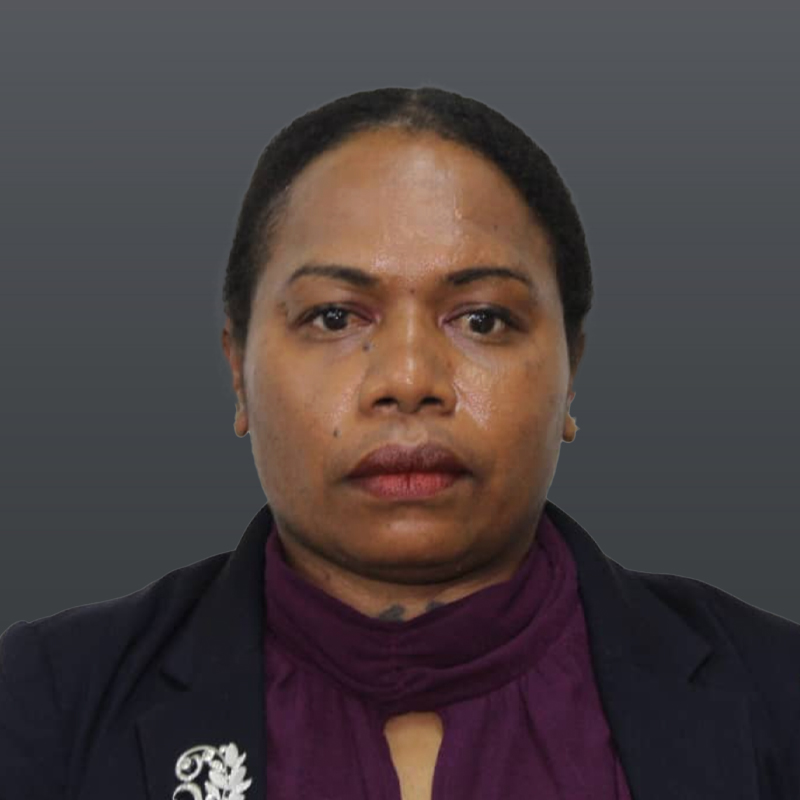
Ms. Rensie Panda
Internationa Affairs & CO Manager, National Energy Authority, Papua New Guinea

Maksim Martynov
Founder and Leader
Moderator

Mark Essle
Partner, Kearney
Background
Entrepreneurship plays a pivotal role in driving climate innovation, offering pathways for rapid deployment of technologies and business models that strengthen resilience and decarbonization. Across the Global South, innovators are pioneering solutions in renewable energy, circular economy, digital agriculture, and low-carbon mobility, yet they often face structural barriers such as inadequate access to finance, fragmented value chains, and limited policy support. Without stronger ecosystems for green entrepreneurship, many transformative ideas risk remaining at the pilot stage, unable to scale and deliver systemic climate benefits.
At the same time, global momentum for green innovation is growing, supported by climate finance commitments, impact investment, and demand for sustainable goods and services. Creating enabling conditions for green entrepreneurs – through supportive regulatory frameworks, incubators, and international partnerships – can unleash a wave of climate-smart enterprises that simultaneously reduce emissions, create jobs, and build resilience. WGEO, through GAGE, is facilitating South-South cooperation, investment matchmaking, and capacity-building to ensure entrepreneurs in developing countries are positioned at the
forefront of the green innovation economy.
In Focus
This session will explore how entrepreneurs can drive climate innovation and scale solutions that transform economies towards resilience and sustainability. Discussions will highlight successful business models, financing mechanisms, and policy incentives that accelerate the growth of climate-resilient enterprises. Special attention will be given to examples from the Global South, showcasing how local innovators are addressing energy access, food security, and circular economy challenges through creative solutions.
Questions for Panel Discussion
1. How can green entrepreneurship accelerate the transition to climate-resilient economies?
- What examples demonstrate successful scaling of climate-smart enterprises in the Global South?
- How can innovation ecosystems integrate entrepreneurs into national climate strategies?
- What role do universities, incubators, and accelerators play in advancing climate entrepreneurship?
2. What financing and investment models can unlock innovation for climate solutions?
- How can impact investors and climate funds prioritize early-stage green ventures?
- What risk-sharing mechanisms can attract private capital to small enterprises?
- How can carbon markets and results-based finance incentivize innovation?
3. How can international cooperation and partnerships support green entrepreneurs?
- What role can South-South cooperation play in scaling grassroots innovations globally?
- How can partnerships with large companies provide market access for innovators?
- What platforms can enhance knowledge exchange and technical assistance for climate entrepreneurs?
Women Negotiators and Climate Diplomacy: Strengthening Global Leadership
Panel Members

Renata Vilarinho
Diretora de Relações Governamentais, Positive ventures

Anila Noor
Managing Director, New Women Connectors

Agnes Vinblad
Policy Director & Head of Practice - Environment, Climate & Biodiversity, United States Council for International Business (USCIB)

Ms.Tamara Bah
limate Lead at Georgetown University’s Institute for Women, Peace, and Security (GIWPS), Sr. Gender and Climate Change Consultant at the World Bank Group, and Party Delegate for The Gambia
Moderator

Ms. Kalyani Inampudi
Independent ESG and Carbon Consultant, London
Background
Women remain underrepresented in climate negotiations, despite evidence that their leadership enhances inclusivity, equity, and ambition in global climate agreements. Studies from the UNFCCC process demonstrate that delegations with greater gender balance are more likely to achieve cooperative outcomes, reflecting the importance of diverse perspectives in shaping climate diplomacy. Yet, persistent barriers – including unequal access to training, limited financial resources, and structural exclusion in political processes – continue to hinder women’s full participation in high-level negotiations.
As the world enters a decisive decade for climate action, amplifying women’s roles in climate diplomacy is no longer optional but essential. Ensuring women are meaningfully represented as negotiators, advisors, and leaders within multilateral processes strengthens global climate governance and creates more responsive and sustainable outcomes. This aligns with broader global commitments under the Enhanced Lima Work Programme on Gender, the Paris Agreement, and the Sustainable Development Goals, particularly Goal 5 on gender equality and Goal 13 on climate action.
In Focus
This session will focus on advancing strategies to empower women negotiators and leaders in climate diplomacy. Discussions will highlight the pathways to build the skills, networks, and institutional support necessary for women to play influential roles in multilateral climate forums, including COP negotiations. Panelists will also explore successful examples of genderresponsive diplomacy, identify gaps in current frameworks, and propose steps to ensure women’s meaningful participation in shaping Nationally Determined Contributions (NDCs), international agreements, and regional cooperation platforms. In doing so, the session will emphasize how initiatives such as the Global Alliance on Green Economy (GAGE) can provide platforms for amplifying women’s leadership in shaping resilient, green, and inclusive economies.
Questions for Panel Discussion
1. What strategies are most effective in advancing women’s leadership in climate negotiations?
- How can governments and institutions remove barriers that limit women’s participation in multilateral climate forums?
- What role do mentorship and capacity-building programs play in strengthening women’s negotiation skills?
- How can gender-responsive leadership pathways be institutionalized within climate diplomacy structures?
2. How can global and national policies ensure that women’s voices are systematically included in climate decision-making?
- What examples of gender-responsive diplomacy can serve as models for NDCs and other negotiation frameworks?
- How can governments ensure that women’s perspectives are integrated into national delegations and climate governance bodies?
- What accountability mechanisms can be adopted to track and report on women’s participation in climate negotiations?
3. How can international cooperation and alliances support women negotiators and leaders?
- How can initiatives like GAGE and UNFCCC’s Gender Action Plan be leveraged to amplify women’s roles in climate diplomacy?
- What role can regional and South-South cooperation play in building networks of women climate negotiators?
How can financing and technical support be mobilized to scale programs that prepare and empower women for global leadership roles?
Register for this sessionStrengthening Community-Led Climate Action in Ghana: Youth, Policy, and Diaspora Partnerships for Local Impact
Panel Members
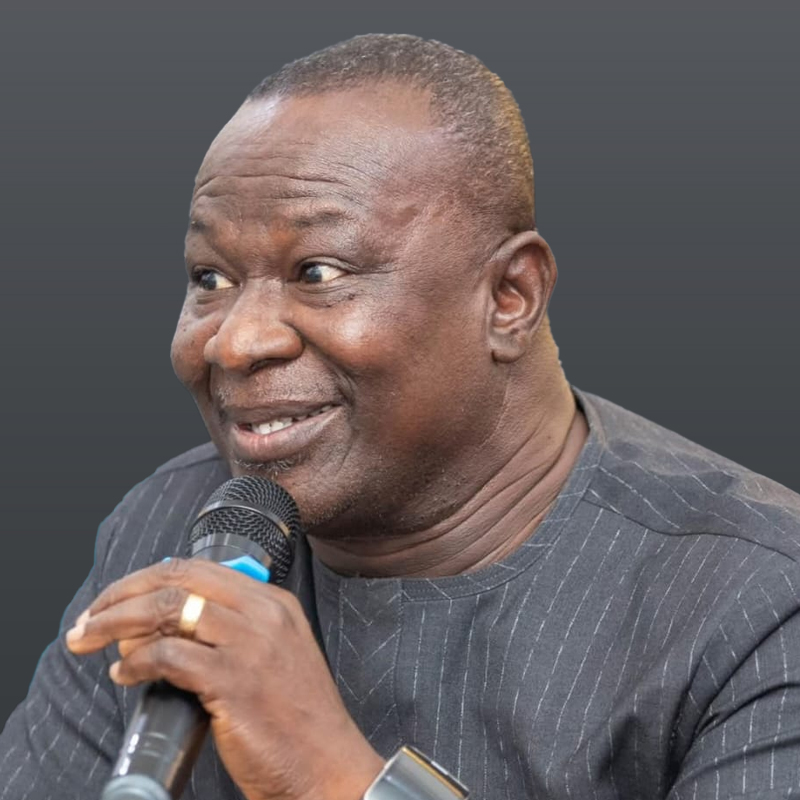
Mr. Addo Okyere
Director, Climate Change & Ozone, Environmental Protection Agency (EPA), Ghana

MaryJane Enchill
Deputy CEO, HATOF Foundation (CSO)

Gloria Agyare
Youth Environmentalist; Founder, The Food Discourse; Chevening Scholar

Mr. Myron Williams
Senior Adviser, HBCU Green Fund, USA
Moderator

Kassim Hussein
National ACE Focal Point, Ghana
Leading Resilience: Displaced and Determined – Unpacking Intersectional Pathways Towards Climate Justice
Panel Members
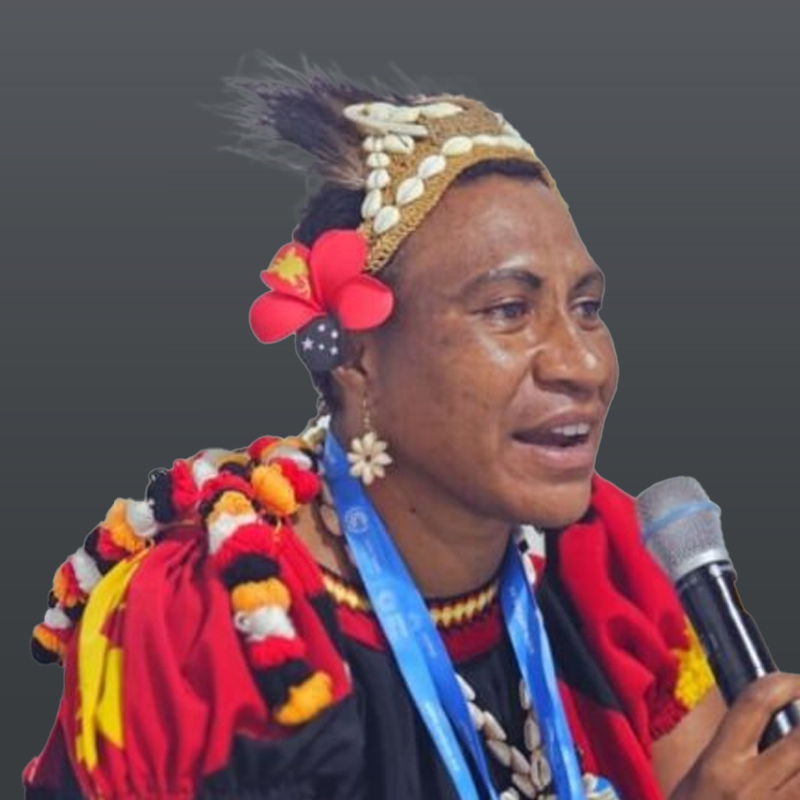
Maryanne Rimbao
Founder & Director, Humanity and Nature Indigenous Women’s Association (Papua New Guinea)

Manal Bidar
Founder, Moroccan Regional Youth Governments Initiative; Communications Coordinator, Water Youth Network

Stella Peris Wamuyu
Member and Co-Founder, Jani Initiative, Volunteer at Kenya Red Cross (Kenya)
Moderator

Anila Noor
Managing Director, New Women Connectors
Background
Building on NWC’s initiative “Together We Lead, Together We Nurture – Our Earth, Our Future” and its projects Leading Resilience: New Knowledge and Co-Fe Tables, this session explores how youth, indigenous, and displaced women are leading efforts for intersectional climate justice.
The session connects global climate policies with the lived realities of displacement, highlighting how women and youth from marginalized communities transform adversity into leadership. Promoting inclusion, accountability, and resilience ensures that those most affected by the climate crisis are central to shaping equitable and sustainable transitions.
In Focus
The objective of the session is to promote intersectional climate justice by ensuring that displaced, indigenous, and young women are recognized and supported as key actors in driving a fair, inclusive, and just transition toward sustainable futures.
This session will explore:
- The leadership of displaced, indigenous, and young women in shaping equitable and sustainable climate solutions.
- How policy frameworks can better connect with the lived realities and resilience strategies of displaced and frontline communities.
- Lessons and accountability gaps from COP28 and COP29 to strengthen inclusion and participation ahead of COP30.
- The role of cross-regional partnerships linking humanitarian, environmental, and
development agendas. - How initiatives like the Action Network on Forced Displacement – Women as Agents of Change inspire shared leadership and co-ownership in global climate governance.
Questions for Panel Discussion
- How can displaced, indigenous, and young women leaders influence local, regional, and global climate solutions?
- What mechanisms are needed to bridge policy frameworks with the realities of displaced and frontline communities?
- What lessons from COP28 and COP29 can improve inclusion and accountability for COP30?
- How can cross-regional partnerships amplify intersectional climate justice and resilience?
- How can existing initiatives inspire new models of shared leadership and co-ownership in global climate governance?
© 2025 WGEO- World Green Economy Organization. All Rights Reserved.