 info@worldgreeneconomy.org




WGEO at COP30
 10th-21st November 2025
  Belém, Brazil
Monday, 17 November 2025
Nature, Indigenous Leadership and Biodiversity-Driven Economies
Indigenous Climate Governance for Indonesia’s NDC: From Wisdom to Policy

Panel Members

Ratnasari Meira
Senior Policy Analyst, Ministry of Environment, Indonesia
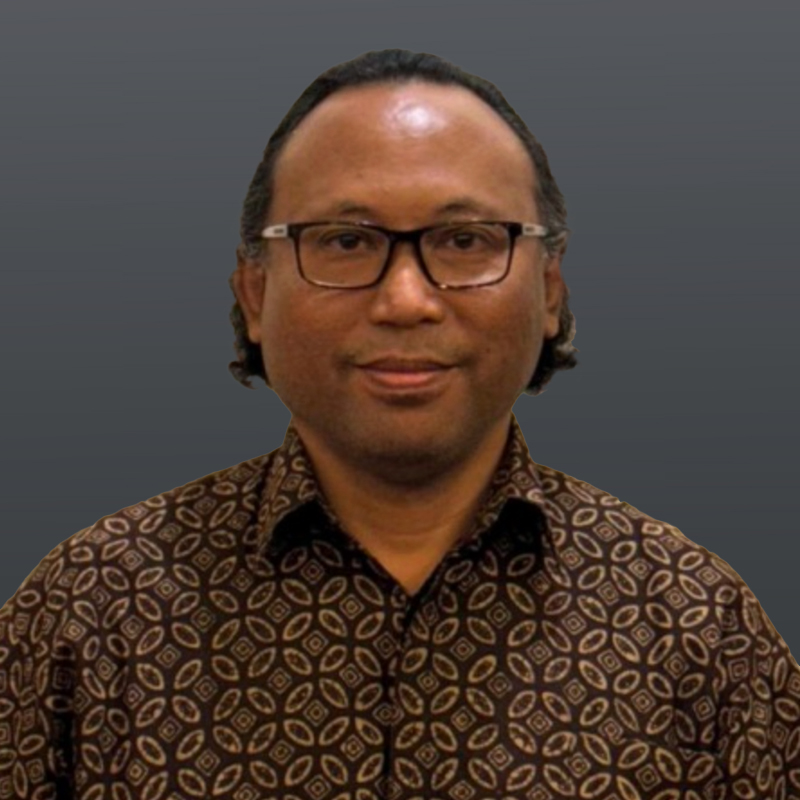
Rolly Leatemia
Director, Climate Transparency Hub

Mr. Azis Kurniawan
Policy and Advocacy Manager of Coaction Indonesia, Climate Village Programme
Moderator

Ikbal Alexander
Environmental Specialist, Kertabumi Recycling Center
Background
In November 2025, the UN COP30 will convene in Belém, Brazil (10–21 November), with negotiations and official programs taking place at the City Park/Hangar Convention and Exhibition Centre. COP30 is framed by a clear mandate to accelerate implementation of the Paris Agreement and deepen whole-of-society engagement to close the ambition and action gaps. Under the UNFCCC, Parties have long recognized that effective climate action depends on participation across all levels of society, including non-Party stakeholders such as communities, civil society, youth, women leaders, academia, and the private sector. This recognition is embedded in the UNFCCC’s Global Climate Action agenda and has increasingly highlighted culture, storytelling, and public engagement as levers that turn policy into practice.
Kertabumi Recycling Center is an Indonesia-based “sustainability hub” that helps communities, schools, and institutions turn waste into value while advancing zero-waste and low-carbon living. Kertabumi operates community-based waste management programs, run sorting and processing for recyclables, and incubates circular micro enterprises. Kertabumi also advises public and private partners on practical MRV, GHG accounting for the waste sector, and culture-based climate action. Through hands-on education, transparent data, and market linkages, Kertabumi empowers local actors to reduce pollution, cut emissions, and create green jobs across Indonesia
Akar (Grass Roots) co-created in 2024 by Kertabumi Recycling Center and Indonesia’s Ministry of Environment spotlights community-led mitigation and adaptation across Indonesia: farmers in Wonosobo adapting to shifting seasons; coastal communities in Maluku safeguarding mangroves and ocean ecosystems; circular-economy innovation in Bali; and everyday renewable-energy use in Sulawesi. The film honors women’s leadership, especially in agriculture and the creative agency of youth, illustrating how local wisdom, education, and innovation interlink “like roots” to grow a movement. Showcasing Akar at COP30’s Entertainment and Culture Pavilion reinforces UNFCCC priorities on non-Party stakeholder action while leveraging culture to move audiences from awareness to participation.
To deepen impact beyond the screening, the session brings together three panelists; theMinistry of Environment, civil society, and community to discuss how cultural narratives, community practice, and market solutions can accelerate nationally determined contributions (NDC) delivery and resilience on the ground. This tri-sector format mirrors COP30’s call for inclusive, practical pathways to implementation and invites attendees to translate inspiration into partnerships amplified by Indonesian cultural souvenirs as touchpoints that carry the message beyond the venue.
In Focus
- Dissemination of best practices and lesson learned of the implementation of ClimateVillage Program (PROKLIM)
- Elevate the role of Non-Party Stakeholders (NPS) in community climate action
- Raising global attention, advocate and trigger local awareness about solutions and lesson learned on climate changes from Indonesia
- Raise global attention and trigger local advocacy for Indonesian culture-rooted solutions
- Grow public awareness of grassroots climate action as everyday practice
- Link cultural heritage, creative industries, and storytelling accelerate mitigation/adaptation and strengthen MRV and NDC delivery
Indigenous Climate Governance: Infusing Traditional Knowledge into National Climate Plans
Panel Members

Anila Noor
Managing Director, New Women Connectors
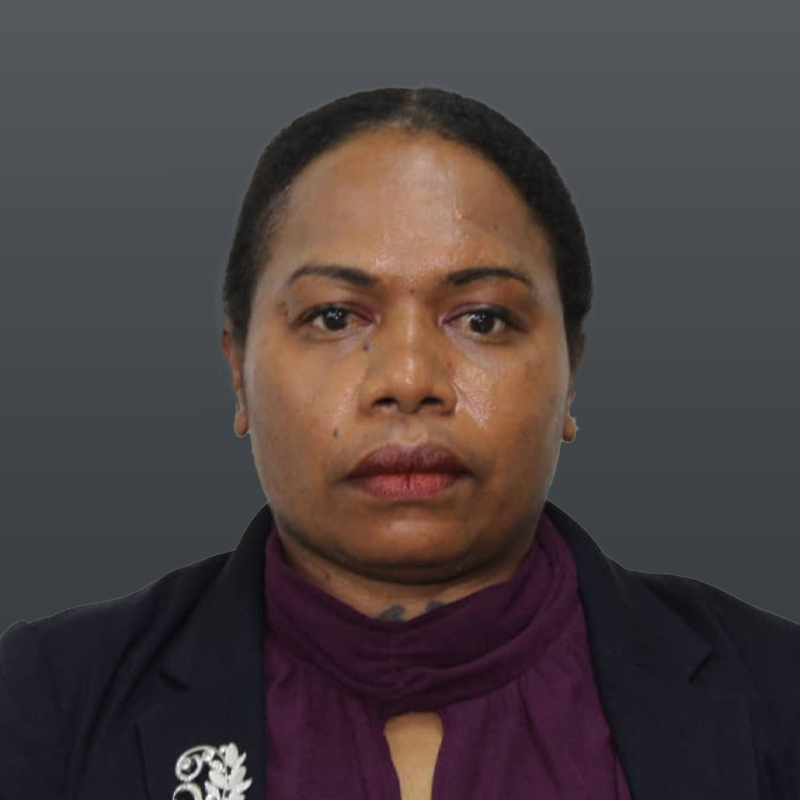
Rensie Panda
International Affairs & CO Manager, National Energy Authority, Papua New Guinea
Moderator
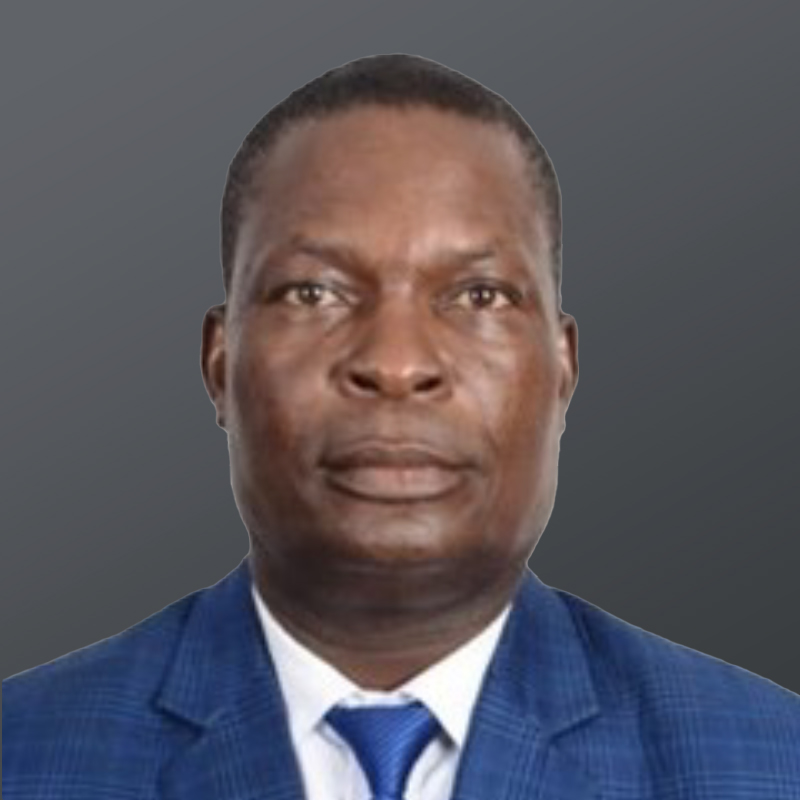
Peter Odhengo
Chair, Network of National Designated Authorities for Green Climate Finance in Africa (AFDAN)
Background
Indigenous peoples are stewards of some of the world’s most biodiverse ecosystems, holding centuries of knowledge about sustainable land and resource management. Their governance systems often integrate ecological, cultural, and spiritual dimensions of nature stewardship, offering approaches that complement and enhance modern climate policies. As countries seek to accelerate the implementation of the Paris Agreement, the role of Indigenous leadership in shaping adaptation and mitigation strategies is gaining global recognition.
Recent international dialogues, including at the IPCC and the UNFCCC, underscore that traditional ecological knowledge contributes directly to biodiversity conservation, disaster risk reduction, and carbon sequestration. Yet, despite their pivotal role, Indigenous communities are often excluded from decision-making structures and climate finance flows. Integrating Indigenous governance into national climate plans (NDCs and NAPs) represents not only an equity issue but also a critical opportunity to align climate action with proven, locally grounded practices.
In Focus
This session will explore pathways for embedding Indigenous governance into national climate frameworks and policies. It will examine the tools and institutional arrangements that can elevate traditional knowledge within national decision-making processes, while ensuring Indigenous communities retain sovereignty over their knowledge and lands. Discussions will highlight successful examples of co-management models, climate-smart territorial planning, and national policies that formally integrate Indigenous practices. The panel will also address how global platforms, such as The Global Alliance on Green Economy (GAGE), can support countries in strengthening partnerships with Indigenous communities to accelerate climate action.
Questions for Panel Discussion
1. How can Indigenous governance and traditional knowledge be effectively integrated into national climate strategies?
- What models exist for co-developing Nationally Determined Contributions (NDCs) or adaptation plans with Indigenous communities?
- How can governments ensure Indigenous knowledge is respected and protected, avoiding appropriation or misuse?
- What role can legal recognition of customary practices play in embedding Indigenous governance into climate frameworks?
2. What mechanisms are needed to ensure meaningful participation of Indigenous peoples in climate policymaking?
- How can decision-making structures at national and local levels be adapted to include Indigenous voices?
- What safeguards are needed to ensure that Indigenous participation is not symbolic but leads to concrete outcomes?
- How can financing mechanisms be designed to directly support Indigenous-led climate governance initiatives?
3. How can global and regional cooperation strengthen Indigenous-led climate action?
- What role can multilateral initiatives, such as GAGE, play in scaling Indigenous best practices across countries?
- How can knowledge-sharing platforms connect Indigenous communities to policymakers, researchers, and financiers?
- How can South-South cooperation amplify Indigenous leadership in global climate governance?
Cracking the Nature Data Code: Powering a Just and Green Transition for People and Planet
Panel Members

Carlos Ruiz-Garvia
Adaptation Committee Unit Lead, UN Climate Secretariat

Liv Watson
TNFD Metadata Working Group Chair and Co-founder of the Global Digital Single Market Data Alliance

Betty Cremmins
Founder and Principal, Cadence Climate

Gry Langbakk
Special Director, COP Norwegian business delegation and pavilion & Special Advisor Green Growth & Transformation, Innovation Norway
Moderator

Pedro Alexandre Martins
Capitals Coalition Brazil
Background
Nature forms the foundation of all economic and social systems, yet accelerating ecosystem loss is undermining global prosperity, resilience, and progress toward the Paris Agreement and Global Biodiversity Framework. To reverse this trend, decision-makers need reliable, interoperable data that reveal how economies depend on and impact nature. Global initiatives including the Capitals Coalition’s “capitals approach” are shaping a global framework to integrate nature into decision-making across markets, sectors, and geographies.
In Focus
This session will explore how global leaders are working to “crack the nature data code” by building the standards, infrastructure, and governance models needed to align capital flows with nature-positive outcomes. The discussion will showcase how reliable, decision-useful nature data can bridge science, policy, and finance supporting community development, new market creation, and private and corporate investment in nature-based solutions.
Questions for Panel Discussion
1. Building the Global Nature Data Framework
- What are the most critical gaps in the current nature-data value chain?
- How can standards, taxonomies, and digital trust frameworks improve data quality, interoperability, and accessibility for all users?
2. From Data to Decision-Making
- How can nature-related data and disclosure systems drive more effective corporate, financial, and policy decisions?
- What role can initiatives like the TNFD and Capitals Coalition play in harmonizing nature-related metrics across markets and jurisdictions?
3. Financing and Market Innovation
- How can better nature data catalyze new investment vehicles, blended-finance mechanisms, and market opportunities that reward nature-positive performance?
- What examples show how open, interoperable data can unlock capital for local communities and SMEs?
4. Equity, Governance, and Collaboration
- How can global governance models ensure trust, transparency, and equitable participation across the nature-data value chain?
- What next steps are needed from governments, DFIs, and private actors to operationalize these frameworks and deliver the Global Biodiversity Framework’s targets?
Bhutan Carbon Market Readiness

Sara Jane Ahmed
Managing Director, V20

Sonam Thashi
Director Department of Environment
and Climate Change, Royal Government
of Bhutan

Vicki Yong
Ministry of Trade and Industry
Government of Singapore
Background
Bhutan has demonstrated a sustained commitment to participating in international carbon markets by developing the foundational rules, institutions, and infrastructures necessary for trading high-integrity carbon credits. The government has made significant progress, including adopting the Bhutan Carbon Market Rules in 2023, launching the National Carbon Registry in 2024, identifying high-level activities eligible for authorization, signing the inaugural bilateral agreement under Article 6.2 with the Republic of Singapore, and establishing the Bhutan Climate Fund to administer carbon market transactions.
Building on these achievements, Bhutan has formulated the Bhutan Carbon Market Policy 2025, which is comprehensive for carbon asset development, clarifying interlinkages between the registry, Bhutan Climate Fund, and various market actors, while also defining relevant fee structures, including corresponding adjustments.
Bhutan has also assessed the carbon market potential across sectors, identifying mitigation activities and revenue opportunities, forming “National Project Portfolio” of projects that can guide developers and investors, under different carbon crediting mechanisms. To ensure seamless private sector participation, a Private Sector Engagement Toolkit has been developed to simplify navigation of the market and facilitate effective collaboration.
With these readiness initiatives largely completed and now, Bhutan is well-positioned to attract investment and launch these projects under an appropriate carbon crediting mechanism. This upcoming Investors Forum at COP 30 offers a unique platform to convene key market actors, share insights, and demonstrate Bhutan’s carbon market readiness on the international stage.
In Focus
The Investors Forum aims to:
- Launch the Bhutan Carbon Market Policy 2025 – Signaling the government’s commitment and providing clear procedures for carbon asset development.
- Present the Carbon Market Potential Report – Featuring the “National Project Portfolio” of projects ready for development, including eligible carbon crediting mechanism and methodologies.
- Promote Matchmaking – Facilitating interactions between project developers, investors, market enablers, and government entities to accelerate project implementation in Bhutan.
- Showcase Bhutan’s 3rd NDC Submission – Highlighting Bhutan’s leadership as the first carbon-negative country and its contribution to the global long-term temperature goal.
Expected Outcomes
By the end of the session, the forum is expected to achieve:
- Official launch of Bhutan Carbon Market Policy 2025 with clear procedures for carbon asset development.
- Enhanced understanding for market participants of project opportunities, procedures, and eligibility criteria, including the ready-to-develop “National Project Portfolio” of projects.
- Facilitation of business matchmaking between investors, project developers, and government authorities.
- Knowledge sharing on Bhutan’s Article 6 implementation experience, lessons learned, and best practices.
- Positive market signaling from Bhutan’s government to attract international investment in high-integrity carbon projects.
Innovative Pathways for Climate-Aligned Sustainable Finance
Panel Members

Wes Geisenberger
VP Sustainability,
HBAR Foundation

Marcelo Freire
CEO, Sigma

Nitin Arora
Team Lead, Global Innovation
Hub, UNFCCC

Neha Sharma
Impact and Knowledge Unit Lead,
Adaptation Fund

Alain Beuvillard
Green Climate Fund
Moderator

Catherine Atkin
Co-chair - Stanford Law School
CodeX Climate Data Policy Initiative
The Role of Local Authorities in Morocco in the Promotion and Protection of Seaside Resorts and the Sustainable Management of the Coastline
Panel Members

My El Hassan Zoubir Idrissi
DRPL/DGCT, Ministry of the Interior

Ayman Cherkaoui
Representative of Mohammed VI
Foundation for Environmental
Protection
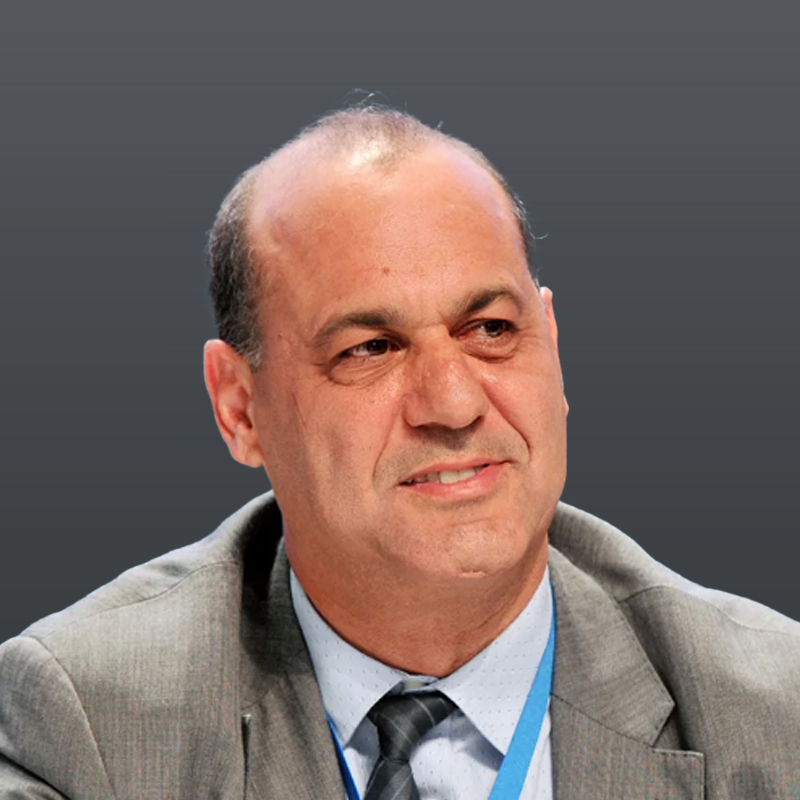
Mohammed Sefiani
President, Municipality of
Chefchaouen member of the
Tangier-Tetouan-Al Hoceima
Regional Council

Iwona Gin
Head of International Relations,
Nausicaa National Sea Centre, France
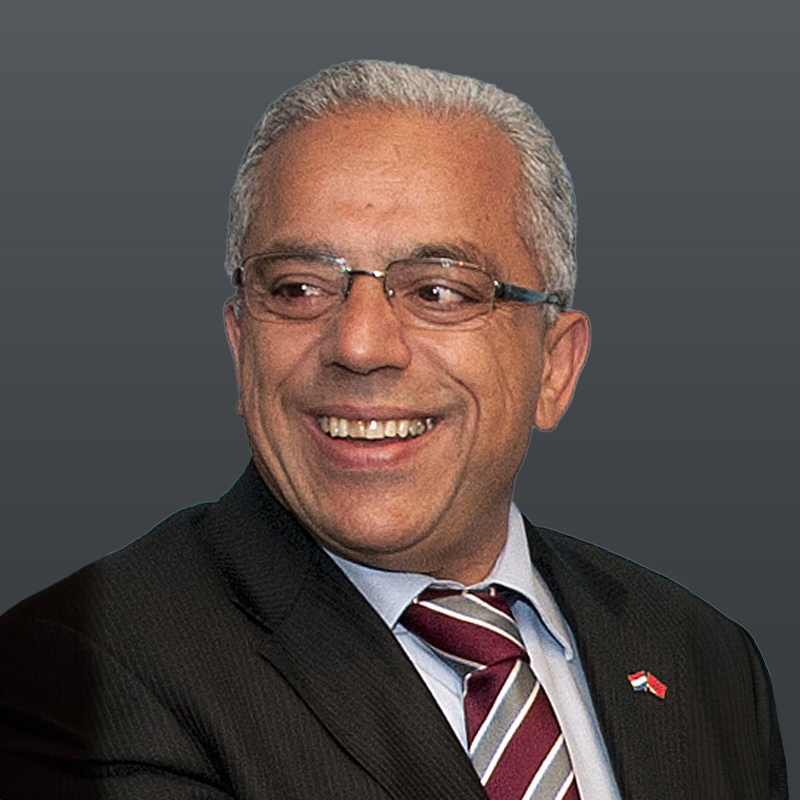
Abdellatif Mazouz
President, Region of
Casablanca·Settat
Moderator

Didier Lanquetin
Consultant in Eco-design and Carbon
Footprint Assessments, Climate Initiative
Association
Towards a Private Sector-Led African Climate Transition
Panel Members
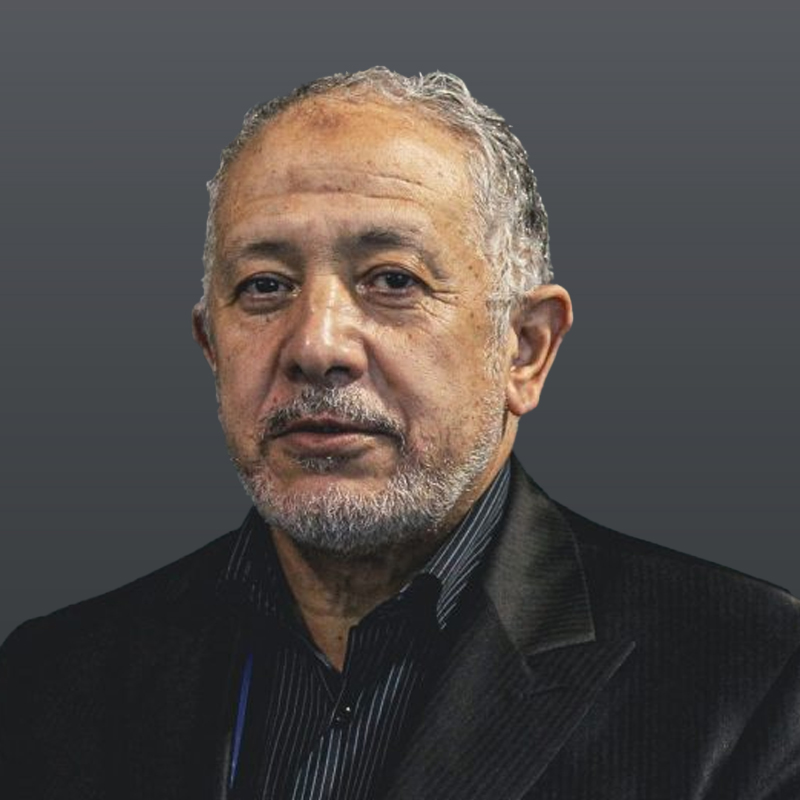
Abdallah Mokssit
Secretary of the
Intergovernmental Panel
on Climate Change (IPCC)

Peter Odhengo
President of AfDAN

Amjad Abdulla
pecial Advisor to the Director
General of WGEO and Senior
International Climate Change
Officer

Moubarak Moukaila
Director of the Environment and Climate
Finance Department of the West African
Development Bank (BOAD)
Moderator

Mohamed NBOU
Special Advisor on Climate,
Biodiversity and Food System
Reimagining Collaboration: Systemic Approaches to Accelerate Climate Action Across Sectors
Panel Members

Yuri Soares
Chief Impact Officer, IDB Lab

Christel Scholten
Managing Director, Reos Partners

Rana Adib
Executive Director, REN21

Manuella Cantalice
Regenerative Finance Designer and Bridge Builder, REN21

Bart Dewaele
General Director, Join For Water
Moderator

Solveig Zophoniasdottir
Director, Learning,MEL & Insights, Climate-KIC
Background
COP30 is positioned as a milestone for implementation and action, where governments, businesses, and communities must demonstrate how ambitious pledges are being (and can be) translated into reality. Yet, advancing systemic change across intertwined systems – such as energy, food, finance, and cities – requires more than coordination. It calls for new collaborative infrastructures that enable actors to move with speed, scale, and justice.
Traditional forms of collaboration – coalitions, campaigns, and alliances – have achieved notable progress but remain fragmented, often slowed by competition, unequal power, and limited learning. To reach the scale of transformation required, stakeholders must reimagine collaboration itself: as a dynamic system built on trust, shared purpose, distributed leadership, and adaptive learning.
In Focus
This session explores how novel and systemic forms of collaboration – ones that reimagine how stakeholders work together, share power, and learn collectively – can accelerate action across the intertwined systems of energy, food, finance, and cities.
The session invites leaders, practitioners, and innovators to explore collaboration not as coordination, but as a dynamic infrastructure for transformative implementation – built on trust, shared purpose, and adaptive learning.
Questions for Panel Discussion
1. How are emerging forms of collaboration reshaping climate action across systems?
- What examples show that systemic, cross-sectoral collaboration can accelerate implementation?
- How do these new collaboratives distribute power, share learning, and sustain trust?
- What lessons can we draw from existing partnerships that have shifted from coordination to transformation?
2. What is needed to sustain and deepen these collaboratives for greater impact?
- Which capacities, resources, or enabling conditions allow collaboration to endure beyond projects or political cycles?
- How can collaborators work productively across differences – of mandate, power, or worldview – to maintain momentum?
- What governance or financing models best support adaptive, trust-based collaboration?
3. How can we design future collaboratives that match the scale of the climate challenge?
- How might we rethink roles, accountability, and success metrics to enable shared ownership of systemic outcomes?
- What would it take for radical collaboration – built on justice, inclusivity, and experimentation – to become the norm for implementation?
- How can storytelling, reflection, and learning help bridge divides and inspire broader participation in collective action?
Nature at the Nexus: Accelerating Ecosystem-based Adaptation at COP30 and Beyond
Panel Members

Dr Ulf Jaeckel
Head of Division, Federal Ministry for the Environment, Nature Conservation, Nuclear Safety and Consumer Protection (BMUV), Germany

Tristan Tyrrell
Programme Management Officer for Biodiversity, Climate Change and Dry & Subhumid Lands, The Convention on Biological Diversity (CBD) Secretariat
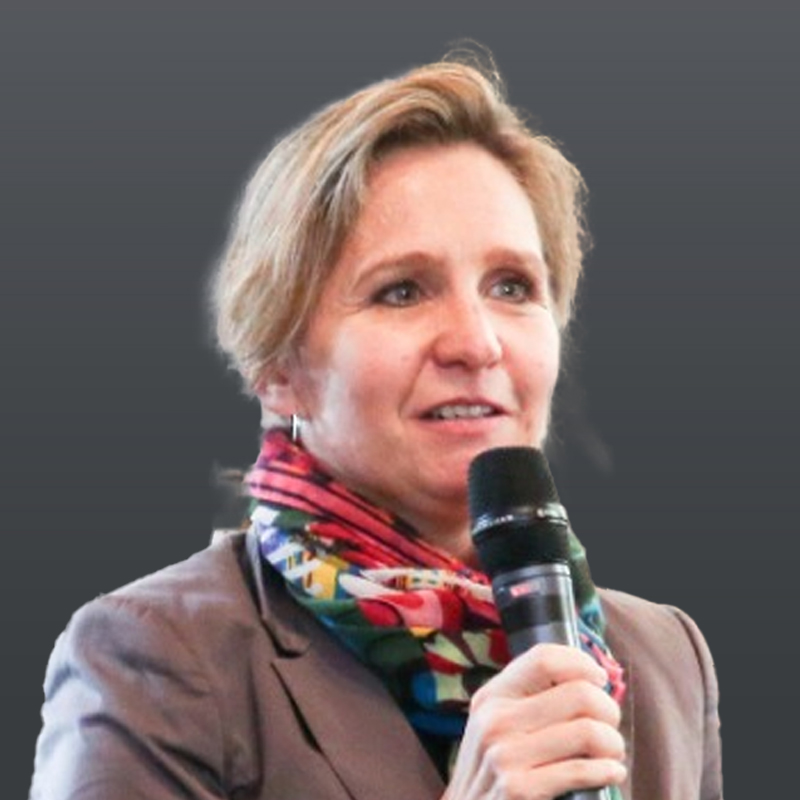
Astrid Michels
Program Manager, Scaling-Up Ecosystem-based Adaptation in Rural Areas of Latin America, GIZ

Jeffrey Qi
Policy Advisor, Resilience Program, IISD

Rohini Kohli
Senior Technical Advisor on Climate Change Adaptation Policy, INDP

Jessica Troni
Head of the Climate Change Adaptation Unit, UNEP
Moderator

Ali Raza Rizvi
Global Head, Climate Change & Energy Transition, IUCN
Background
Protecting and restoring nature is increasingly recognized as a powerful, cross-cutting solution to tackle the interlinked crises of climate change, biodiversity loss, and land degradation – while advancing human well-being and sustainable development. Nature’s role as a cornerstone of integrated action is reinforced across decisions under the three Rio Conventions (UNFCCC, CBD, and UNCCD). Under the UNFCCC, both the 2023 Global Stocktake and the Global Goal on Adaptation (GGA) reaffirmed the essential role of conserving, restoring, and sustainably managing ecosystems in achieving global adaptation outcomes.
In Focus
This event will spotlight how integrated approaches such as Ecosystem-based Adaptation (EbA) can enhance adaptive capacity, strengthen resilience, and reduce vulnerability to climate impacts. Bringing together leading voices from climate, biodiversity, and development communities, the session will identify critical policy and practical actions to accelerate the recognition and adoption of EbA across Rio Conventions and beyond.
Speakers will share experiences from across the Friends of Ecosystem-based Adaptation (FEBA) network, highlighting collaborative working groups, innovative approaches, and synergies that advance both policy and implementation. Discussions will emphasize how strengthening the nature–climate linkages contributes to multiple Sustainable Development Goals, including gender equality, biodiversity conservation, and community resilience.
Speakers will underscore the urgency of coherent, simultaneous measures – spanning policy, finance, and governance – to safeguard nature as a foundation for collective progress, and the importance of learning networks that bridge practitioners and policymakers to share methodologies, success stories, and lessons for accelerating effective EbA implementation.
Register for this session© 2025 WGEO- World Green Economy Organization. All Rights Reserved.